Welcome to the exciting world of sous vide cooking! This revolutionary technique has transformed how many home chefs approach their culinary creations, bringing restaurant-quality precision and flavor right into your kitchen. At the heart of every successful sous vide endeavor lies one crucial, yet often overlooked, component: the sous vide cooker container. It’s more than just a vessel for water; it’s the stable environment that allows your immersion circulator to work its magic, ensuring perfectly cooked food every single time. Choosing the right container can significantly enhance your cooking experience, making it more efficient, precise, and enjoyable.
|
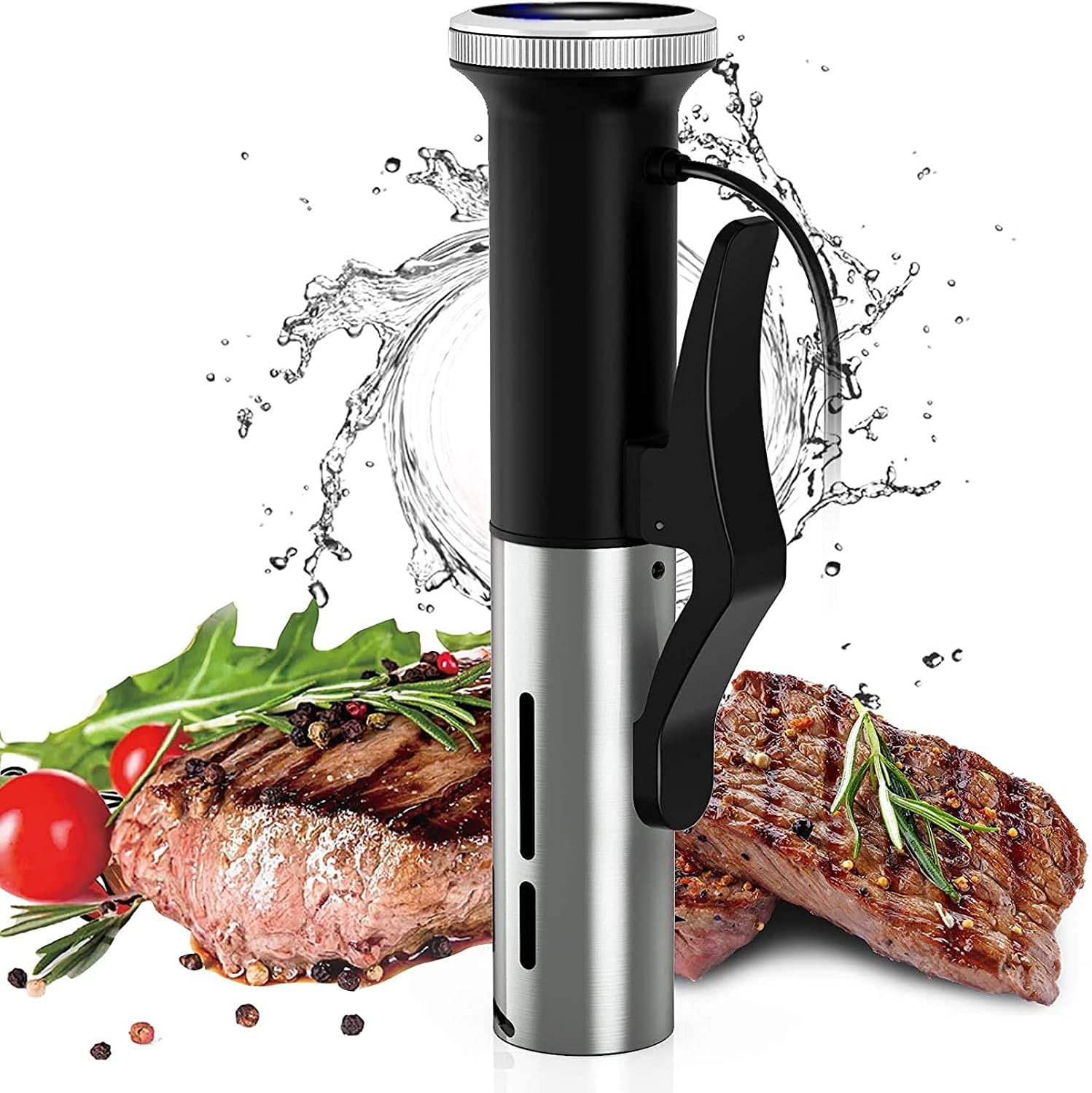
Our Picks for the Best Sous Vide Cooker in 2026
As an Amazon Associate I earn from qualifying purchases.
|
||
| Num | Product | Action |
|---|---|---|
| 1 | Anova Culinary Sous Vide Precision Cooker 2.0 (WiFi), 1000 Watts |

|
| 2 | KitchenBoss WiFi Sous Vide Cooker: Ultra-quiet Sous Vide Machine Built-in TFT Color Display Recipes, 1100W Sous Vide Immersion Circulator Accurate Temp Waterproof Magnetic Knob APP Control, Silver |
|
| 3 | WIFI 2.4G Sous Vide Cooker 1000W Immersion Circulator with APP 14 Recipes,Alarm,Calibration & Timer, 3D Water Fast Heating Ultra-Quiet Sous Vide Machine |
|
| 4 | INKBIRD WIFI Sous Vide Cooker ISV-100W, 1000 Watts Sous Vide Machine Immersion Circulator with 14 Preset Recipes on APP & Calibration Function, Thermal Immersion, Fast-Heating with Timer |
|
| 5 | Sous Vide Machine Cooker, Immersion Circulator with Recipe, 1000W, Delay Start Function, Temp and Time Digital Display Control |
|
| 6 | Anova Culinary Sous Vide Precision Cooker 3.0 (WiFi), 1100 Watts |
|
| 7 | Anova Culinary Sous Vide Precision Cooker Pro, 1200 Watts, Black and Silver |
|
| 8 | 2.4G WIFI Sous Vide Cooker INKBIRD Sous Vide Machine with APP Control, 1000 Watts Immersion Circulator with APP Recipes Timer Alarm Mobile Notification, 3D Water Fast Heating Ultra-Quiet |
|
| 9 | Sous Vide Machines, Sous Vide Cooker, 1000 Watts Immersion Circulators with Recipe, Accurate Temperature and Time Control |
|
| 10 | Anova Culinary Sous Vide Precision Cooker Nano 2.0 |
|
What Exactly is a Sous Vide Cooker Container?
A sous vide cooker container is essentially any heat-safe vessel designed or repurposed to hold a water bath for your immersion circulator. In sous vide, your food, sealed in a bag, cooks gently and precisely in a temperature-controlled water bath. The container’s role is critical in maintaining that stable environment, allowing your immersion circulator to circulate water at an exact temperature, guaranteeing even cooking and preventing overcooking. Think of it as the ultimate personal spa for your ingredients, carefully cradling them to perfection.
Your journey into sous vide cooking is truly elevated when you have the right tools.
Why a Dedicated Sous Vide Container Makes All the Difference
While you might be tempted to just grab any pot from your kitchen cabinet, a dedicated sous vide cooker container brings a host of benefits that can drastically improve your results and overall experience.
Optimal Temperature Stability
When it comes to sous vide, precision is paramount. Dedicated containers, especially those made from polycarbonate or with built-in insulation, are far superior at holding heat compared to standard metal pots. Metal is a conductor, which means it rapidly transfers heat away from your water bath, forcing your immersion circulator to work harder and consume more energy to maintain the target temperature. Plastic, particularly thicker polycarbonate, acts as a better insulator, keeping the heat right where it needs to be – around your food.
Why is temperature stability important for sous vide? Consistent temperature stability ensures your food cooks evenly throughout, preventing temperature fluctuations that could lead to less precise results and affect the final texture of your dish.
Minimizing Evaporation and Water Loss
One of the biggest headaches during long sous vide cooks can be water evaporation, which can cause your circulator’s water level to drop below its minimum line, potentially shutting off your cook. Specialized sous vide container lids are designed to fit snugly around your immersion circulator, significantly reducing steam escape and evaporation. This means less need to refill the bath, especially during extended cooking sessions for tougher cuts of meat.
How do sous vide container lids help? Lids drastically reduce water evaporation, keeping the water level stable and ensuring your immersion circulator can operate continuously without interruption, especially during long cooking times.
Enhanced Visibility
Many dedicated sous vide containers are transparent, a seemingly small feature that makes a huge difference. Being able to peek in and check on your food without opening the lid or disturbing the water bath is incredibly convenient. It allows you to see the cooking progress, ensure bags remain submerged, and simply enjoy watching the magic unfold.
Efficient Space Utilization
Unlike round stockpots, many purpose-built sous vide containers are rectangular or square. This shape is incredibly efficient for arranging multiple food bags, preventing overcrowding, and ensuring optimal water circulation around each item. No more struggling to fit awkwardly shaped bags into a circular space!
Safety and Countertop Protection
Sous vide baths can maintain temperatures for hours, meaning your countertop will be exposed to sustained heat. Dedicated containers are designed to be heat-resistant, but it’s always a good practice to place your sous vide cooker container on a protective surface like a thick towel, a cutting board, or a wire cooling rack. This simple step shields your precious countertops from any potential heat damage.
Exploring the Different Types of Sous Vide Cooker Containers
The world of sous vide containers offers several options, each with its unique advantages. Knowing these will help you pick the perfect match for your culinary adventures.
Purpose-Built Polycarbonate Containers
These are often the go-to choice for serious home cooks. Brands like Cambro, Everie, and Rubbermaid offer high-quality polycarbonate containers that are transparent, incredibly durable, and designed to withstand the sustained heat of sous vide cooking. They come in various sizes, typically ranging from 8 to 22 quarts, making them versatile for different meal sizes. Many also feature specialized lids with cutouts that fit popular immersion circulators, further enhancing their efficiency.
Chef Julianne Taylor, a renowned culinary consultant, often advises home cooks to invest in a quality polycarbonate container. “Their clarity and thermal efficiency are game-changers, letting you monitor your masterpiece without disturbing the bath,” she notes.
Insulated Coolers (DIY and Specialized)
For those who frequently cook large items like briskets or whole poultry, or embark on extremely long cooking sessions, insulated coolers are a fantastic option. Their superior insulation significantly reduces heat loss and energy consumption for your circulator. You can even create your own “DIY sous vide cooler” by cutting a hole in the lid of a regular insulated cooler to accommodate your immersion circulator. This is an excellent hack for maximizing efficiency without a huge investment.
Common Kitchen Pots (Stockpots, Dutch Ovens)
You can absolutely start your sous vide journey with a stockpot or a large saucepan you already own. They are readily available and get the job done for smaller, shorter cooks. However, metal pots conduct heat away from the water bath, making your immersion circulator work harder and less efficiently. Their round shape can also be less ideal for arranging multiple food bags. For optimal performance and long-term use, especially for longer cooks, a dedicated container is preferable. Enameled cast iron Dutch ovens offer better heat retention than standard metal pots, but bare cast iron isn’t recommended due to potential rust from prolonged water exposure.
Choosing the Right Sous Vide Cooker Container for Your Needs
Selecting the ideal sous vide cooker container involves a few considerations tailored to your cooking habits and kitchen setup.
Size and Capacity
The amount of food you typically cook is the primary factor. For most home cooks, a 12 to 16-quart (approximately 11-15 liter) container is a sweet spot, offering enough space for family meals without being overly bulky.
What size sous vide container do I need for a family meal? For typical family meals involving larger cuts or multiple servings, a 12 to 16-quart sous vide container provides ample space for effective water circulation and accommodating several food bags.
Ensure the container is deep enough for your immersion circulator to operate effectively, typically requiring a minimum water depth of about 2.5 inches (6.35 cm) to cover the heating element. Always check your specific circulator’s guidelines for minimum and maximum water levels.
Material Matters
Polycarbonate is widely recommended due to its durability, heat resistance, and insulating properties. While food is typically sealed in bags, some brands offer BPA-free polycarbonate containers for added peace of mind. If using an insulated cooler, ensure it’s clean and food-safe for water contact.
Lids and Accessories
A good lid is almost as important as the container itself. Look for lids specifically designed for sous vide, often with a cutout for your circulator. These minimize evaporation and heat loss. Other useful accessories include:
- Racks: Stainless steel racks help keep food bags submerged and separated, ensuring even cooking and preventing them from floating.
- Insulation Sleeves: For polycarbonate containers, neoprene sleeves can be added to further enhance insulation and efficiency.
- Sous Vide Balls: As an alternative to a lid, a layer of sous vide balls on the water surface can help reduce evaporation and heat loss.
Compatibility with Your Immersion Circulator
Ensure your chosen container is compatible with your specific immersion circulator. The circulator’s clamp needs to attach securely to the side of the container, and the unit itself must be able to stand upright in the water bath without resting at an awkward angle.
Basic Setup and Usage of Your Sous Vide Container
Getting started with your sous vide cooker container is straightforward:
- Placement: Always place your container on a stable, heat-safe surface, ideally with a protective mat or wire rack underneath.
- Filling: Fill the container with water, ensuring the level falls between the minimum and maximum fill lines indicated on your immersion circulator. Remember that adding food will raise the water level, so don’t fill it too close to the max initially.
- Circulator Attachment: Securely clamp your immersion circulator to the side of the container.
- Preheating: Plug in your circulator, set your desired temperature, and allow the water bath to preheat. This usually takes 15-30 minutes, depending on the water volume and initial temperature.
- Adding Food: Once preheated, gently lower your properly sealed food bags into the water. Ensure they are fully submerged and not overcrowded. If food tends to float, use a rack or weights.
- Covering the Bath: Place the lid (or alternative cover) on your container. This is crucial for maintaining temperature and minimizing evaporation, especially during longer cooks.
Tips and Tricks for Optimizing Your Sous Vide Container Experience
- Insulation Hacks: If you’re using a standard polycarbonate container without a sleeve, consider wrapping it with a clean kitchen towel or even aluminum foil to boost its insulating capabilities and reduce energy consumption.
- Preventing Floating Food: Beyond racks, you can use heavy-duty binder clips to attach bags to the side of the container, or simply place a heat-safe plate or ceramic ramekin on top of floating bags to weigh them down. The water displacement method, where you submerge the bag slowly to force out air before sealing, is also highly effective.
- Cleaning and Maintenance: For most polycarbonate containers, warm soapy water and a soft cloth are all you need for cleaning. Many are even dishwasher-safe. For stubborn mineral deposits from hard water, a solution of white vinegar and water can work wonders. Regular cleaning ensures longevity and hygiene.
Frequently Asked Questions
Q: Can I use any plastic container for sous vide?
A: No, it should be food-grade and heat-resistant (e.g., polycarbonate) to ensure safety and durability at typical sous vide cooking temperatures. Using non-food-grade or inappropriate plastics could pose health risks or cause the container to warp.
Q: Is a lid essential for a sous vide container?
A: While not strictly essential for very short cooks, a lid is highly recommended to prevent water evaporation and maintain stable temperatures, especially during longer cooking sessions. It improves efficiency and reduces the need for refilling the bath.
Q: How do I prevent my countertop from getting damaged by the heat?
A: Always place your sous vide container on a protective surface, such as a thick towel, a cutting board, or a wire cooling rack, to shield your countertops from sustained heat and prevent potential damage.
Q: What’s the ideal water depth for sous vide cooking?
A: The minimum water depth is typically around 2.5 inches (6.35 cm) to cover the immersion circulator’s heating element and ensure proper circulation. However, always check your specific device’s guidelines for optimal performance.
Q: How do I clean my sous vide container after use?
A: For most polycarbonate containers, warm soapy water and a soft cloth are sufficient. Many are dishwasher-safe. For hard water stains, a white vinegar solution can be effective. Always rinse thoroughly.
Conclusion
The humble sous vide cooker container plays a starring role in achieving culinary perfection with your immersion circulator. From maintaining precise temperatures and minimizing evaporation to providing crystal-clear visibility, the right container truly elevates your sous vide journey. Whether you opt for a purpose-built polycarbonate model, a versatile insulated cooler, or even a well-chosen stockpot for occasional use, understanding its importance is the first step towards unlocking unparalleled flavors and textures. So, choose wisely, experiment with confidence, and get ready to create dishes that will amaze you and your guests. Happy cooking!