Ever dreamt of cooking restaurant-quality meals in your own kitchen, perfectly tender and consistently delicious, without needing a professional chef’s degree or a sprawling culinary space? Enter the mini sous vide cooker, a game-changer for home cooks looking to elevate their culinary skills with remarkable ease. This compact marvel brings the art of precision cooking right to your countertop, proving that big flavors can come in small packages. If you’re ready to ditch overcooked meals and embrace a world of culinary perfection, a mini sous vide cooker might just be your new best friend.
|
Our Picks for the Best Sous Vide Cooker in 2026
As an Amazon Associate I earn from qualifying purchases.
|
||
| Num | Product | Action |
|---|---|---|
| 1 | KitchenBoss WiFi Sous Vide Cooker: Ultra-quiet Sous Vide Machine Built-in TFT Color Display Recipes, 1100W Sous Vide Immersion Circulator Accurate Temp Waterproof Magnetic Knob APP Control, Silver |

|
| 2 | Sous Vide Machine Cooker, Immersion Circulator with Recipe, 1000W, Delay Start Function, Temp and Time Digital Display Control |
|
| 3 | INKBIRD WIFI Sous Vide Cooker ISV-100W, 1000 Watts Sous Vide Machine Immersion Circulator with 14 Preset Recipes on APP & Calibration Function, Thermal Immersion, Fast-Heating with Timer |
|
| 4 | Sous Vide Machines, Sous Vide Cooker, 1000 Watts Immersion Circulators with Recipe, Accurate Temperature and Time Control |
|
| 5 | WIFI 2.4G Sous Vide Cooker 1000W Immersion Circulator with APP 14 Recipes,Alarm,Calibration & Timer, 3D Water Fast Heating Ultra-Quiet Sous Vide Machine |
|
| 6 | Anova Culinary Sous Vide Precision Cooker 3.0 (WiFi), 1100 Watts |
|
| 7 | 2.4G WIFI Sous Vide Cooker INKBIRD Sous Vide Machine with APP Control, 1000 Watts Immersion Circulator with APP Recipes Timer Alarm Mobile Notification, 3D Water Fast Heating Ultra-Quiet |
|
| 8 | Anova Culinary Sous Vide Precision Cooker 2.0 (WiFi), 1000 Watts |
|
| 9 | Anova Culinary Sous Vide Precision Cooker Pro, 1200 Watts, Black and Silver |
|
| 10 | Anova Culinary Sous Vide Precision Cooker Nano 2.0 |
|
What Exactly is a Sous Vide Cooker? A Quick Dive into the Method.
Let’s break down what “sous vide” actually means. It’s a French term that literally translates to “under vacuum,” referring to the method of sealing food in a bag and then cooking it in a precisely temperature-controlled water bath. This technique, originally a secret weapon in professional kitchens, ensures that your food cooks evenly from edge to edge and never exceeds your desired doneness. Think perfectly medium-rare steak every single time, or chicken breasts so juicy you’ll wonder how you ever cooked them another way.
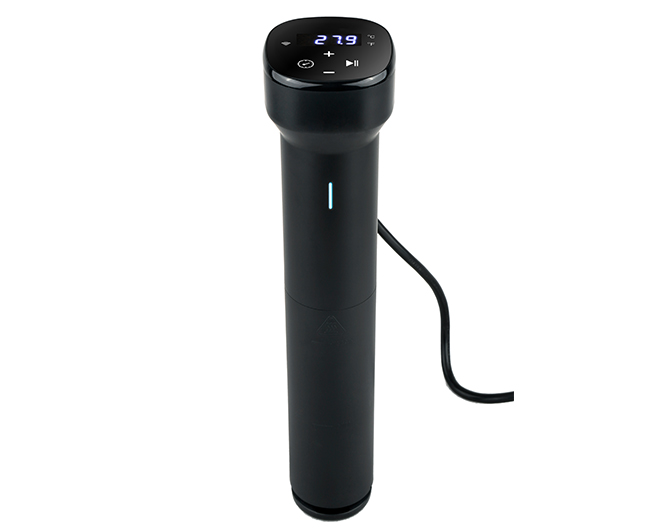
A traditional sous vide setup might seem bulky, but that’s where the mini sous vide cooker shines. These scaled-down immersion circulators perform the exact same magic, heating and circulating water to maintain an incredibly stable temperature. They offer all the accuracy and benefits of their larger counterparts but are specifically designed for smaller households, limited kitchen space, or for those who simply want a more portable option. It’s all about precise temperature control, making culinary guesswork a thing of the past.
Why Go Mini? The Big Benefits of a Compact Sous Vide Cooker
You might be wondering if a smaller size compromises performance. Not at all! A mini sous vide cooker brings a host of advantages that make it an indispensable tool for modern home cooking.
Space-Saving Design and Portability
One of the most immediate benefits of a mini sous vide cooker is its compact footprint. For city dwellers, apartment living, or even RV enthusiasts, kitchen space is often at a premium. These devices are designed to tuck away easily into a drawer or a small cabinet, freeing up valuable counter space. Their portability also means you can take your precision cooking on the go, whether to a friend’s potluck or a holiday gathering.
Perfect Results Every Time: Precision, Consistency, No Overcooking
This is the heart of sous vide cooking. The precise temperature control of a mini sous vide cooker eliminates the common pitfalls of traditional cooking methods. You set the temperature for your desired doneness, and the device maintains it flawlessly. This means your steak will be a perfect medium-rare from crust to core, and your chicken will be juicy and tender, not dry. “With a mini sous vide cooker, the window for perfect doneness isn’t just a few seconds; it stretches into hours,” explains Chef Isabella Rossi, a culinary expert. “It truly is impossible to overcook your food in the water bath.”
Enhanced Flavors and Tender Textures
Because food cooks in its own juices within a sealed bag, a mini sous vide cooker locks in moisture and natural flavors that might otherwise escape with conventional cooking. This gentle, consistent heat can also work wonders on tougher cuts of meat, slowly breaking down connective tissues to yield incredibly tender results. You’ll find yourself rediscovering flavors you never knew existed in your favorite ingredients.
Ultimate Convenience and Meal Prepping
Imagine dropping your dinner into a water bath, setting a timer, and walking away to do other things, knowing that your meal will be perfectly cooked when you’re ready. That’s the hands-off convenience a mini sous vide cooker offers. It’s fantastic for meal prepping too: cook multiple portions of chicken or steak, chill them, and then quickly sear them when you’re ready to eat throughout the week. This set-it-and-forget-it approach simplifies your cooking routine dramatically.
Healthier Cooking Made Easy
Sous vide cooking often requires less added fat and oil than traditional methods, as the food cooks in its own natural juices. This makes it an excellent choice for those looking to prepare healthier meals. Additionally, the low-temperature cooking method can help preserve nutrients that might be lost with higher-heat techniques. As Dr. Arthur Hayes, a food science researcher, notes, “Sous vide is an incredibly efficient way to ensure nutrient retention, contributing to a truly wholesome meal.”
Reducing Food Waste
With a mini sous vide cooker, overcooking becomes a distant memory, which directly translates to less food waste. No more throwing out dry, rubbery chicken or tough, overdone fish. Plus, the ability to batch cook and safely store sous vide prepared foods can extend their shelf life, further reducing waste.
Choosing Your Culinary Companion: Types of Mini Sous Vide Cookers
When it comes to mini sous vide cookers, you’re primarily looking at immersion circulators. These stick-like devices clip onto the side of almost any pot or container, turning it into a precise water bath.
Key Features to Consider:
- Wattage: Mini models typically range from 750W to 1100W. While lower wattage (e.g., 800W) might take a bit longer to heat very large volumes of water, it’s usually perfectly sufficient for the smaller batches a “mini” device implies. Higher wattage like 1100W (found in some compact models) can heat water faster.
- Connectivity: Many modern mini sous vide cookers offer smart features, connecting via Bluetooth or Wi-Fi to a smartphone app. This allows you to set temperatures, monitor cooking progress, and access recipes remotely. Some models, like the Anova Mini or Breville Joule, primarily rely on app control, with minimal or no physical buttons on the unit itself. While convenient, ensure the app is user-friendly and reliable.
- Clamp Design: A good clamp should securely attach to various pot sizes. Some compact models have fixed clamps, which might be a consideration if you plan to use unusually small or thick-rimmed containers. Look for models that can also work with low water levels.
Popular Mini Models to Consider:
Brands like Anova offer excellent mini options such as the Precision Cooker Nano or Mini, known for their reliability and app integration. The Breville Joule is another compact powerhouse, lauded for its sleek design, powerful heating, and robust app. You might also find budget-friendly options like the Instant Accu Slim or models from Inkbird that provide solid performance at an accessible price point. Each has its nuances, so checking reviews for app functionality and clamp versatility can be helpful.
Getting Started: Basic Usage of Your Mini Sous Vide Cooker
Ready to dive in? Using a mini sous vide cooker is surprisingly straightforward.
Setup:
- Choose Your Container: Almost any heat-safe pot, cooler, or dedicated sous vide container will work. For smaller cooks, a regular stockpot is often perfect.
- Fill with Water: Fill your container with water, ensuring it’s between the minimum and maximum fill lines indicated on your sous vide cooker. Using hot tap water can speed up heating time and save energy.
- Attach the Cooker: Securely clip your mini sous vide cooker to the side of your chosen container.
Preparation:
- Bag Your Food: Place your food, along with any seasonings, herbs, or fats (like a pat of butter), into a food-grade vacuum-sealable bag or a heavy-duty zipper-lock bag.
- Remove Air: For vacuum-sealable bags, use a vacuum sealer. If using zipper-lock bags, employ the “water displacement method”: slowly lower the bag into the water bath, letting the water pressure push out the air before sealing the bag just above the waterline. This ensures efficient heat transfer and prevents your bag from floating.
Cooking:
- Set Temperature and Time: Use your cooker’s controls or the companion app to set the desired temperature and cooking time based on your recipe and the type of food.
- Submerge: Carefully place the sealed food bag into the preheated water bath, ensuring it’s fully submerged. If it floats, you may need to add a weight to the bag (like a spoon or ceramic plate) or use a rack.
Finishing Touches: The Art of Searing
While your food is perfectly cooked and safe to eat straight from the water bath, many dishes, especially meats, benefit immensely from a quick finish.
- Pat Dry: Remove your food from the bag and pat it thoroughly dry with paper towels. This is crucial for a good sear.
- Sear Hot and Fast: Heat a cast-iron skillet or heavy-bottomed pan to a very high temperature with a little oil or butter. Sear the food for 30-60 seconds per side until a beautiful golden-brown crust forms. You can also use a grill or a kitchen torch. The goal is to develop flavor and texture without overcooking the perfectly prepared interior. Chilling the food in an ice bath for a few minutes before searing can give you more time for a deeper crust without affecting the internal temperature.
Beyond the Basics: Tips & Recipes for Your Mini Sous Vide Adventures
Ready to explore? Your mini sous vide cooker is capable of so much more than just steak!
Pro Tips for Success:
- Start Hot: Always begin with hot tap water to minimize heating time and conserve energy, especially with smaller wattage units.
- Cover Your Bath: A simple layer of plastic wrap, foil, or a pot lid will significantly reduce water evaporation, keeping your water level stable during long cooks.
- Cook from Frozen: One of the sous vide’s superpowers! You can place frozen, vacuum-sealed items directly into the water bath; just add about 30-60 minutes to the cooking time.
- Batch Cooking: Cook multiple portions of the same item at once, as long as they fit without overcrowding the bath.
- Pair Dishes: Cook different foods that require the same temperature simultaneously. For example, chicken breast and pork chops can often be cooked at similar temperatures.
Simple Recipe Ideas for Your Mini Sous Vide Cooker:
- Perfect Steak: Ribeye, sirloin, or tenderloin at 130°F (54.4°C) for 1-2 hours, then sear.
- Juicy Chicken Breast: 149°F (65°C) for 1-2 hours, then quick sear or grill.
- Delicate Fish: Salmon, cod, or halibut at 125°F (51.7°C) for 30-45 minutes.
- Vibrant Vegetables: Asparagus, carrots, or broccoli at 185°F (85°C) for 20-40 minutes for tender-crisp results.
- Creamy Egg Bites/Custards: Cooked in small jars for a perfectly smooth texture.
Keeping It Pristine: Cleaning and Maintenance of Your Mini Sous Vide Cooker
Cleaning your mini sous vide cooker is refreshingly simple. After each use, turn off and unplug the device, then remove it from the water bath. Discard the water and give your pot a quick wash. For the immersion circulator itself, a quick wipe-down of the exterior with a damp cloth is usually sufficient. Many models, especially those with removable skirts (like Anova), allow you to easily detach the heating coil cover for a more thorough cleaning, often safe for the dishwasher. Regular descaling (using a vinegar solution) once every few months, depending on your water hardness, will keep your unit running efficiently.
Frequently Asked Questions About Mini Sous Vide Cookers
Q: Is a mini sous vide powerful enough for everyday cooking?
A: Absolutely! While some larger models boast higher wattages, a mini sous vide cooker is perfectly powerful for the typical home cook. They effectively heat and maintain precise temperatures for the batch sizes most individuals or small families prepare. For very large holiday roasts or catering-level quantities, you might need a bigger unit, but for daily meals, a mini is more than capable.
Q: Can I use any pot with a mini sous vide?
A: Generally, yes! Mini sous vide cookers are designed to clip onto almost any heat-safe pot, stockpot, or container you already own. Just ensure the pot is deep enough to cover the immersion circulator’s minimum water line and wide enough to accommodate your food bags without overcrowding. Covering the pot is recommended for longer cooks to prevent water evaporation.
Q: How do I prevent bags from floating in the water bath?
A: Floating bags are usually caused by residual air. The best prevention is thorough air removal using a vacuum sealer or the water displacement method. If bags still float, you can use heavy-duty clips attached to a rack, place ceramic plates or other food-safe weights inside the bag with your food, or even use a few magnets on the outside of your container to hold bags down.
Q: Is sous vide cooking healthy?
A: Yes, sous vide cooking is often considered a very healthy method. It requires minimal added fats or oils, and the gentle, precise cooking temperatures help to preserve vitamins and nutrients that might otherwise be degraded or leached out in higher-heat or boiling methods. It’s an excellent way to prepare lean proteins and vegetables while retaining their nutritional value and natural flavors.
Q: Do I need a vacuum sealer for sous vide cooking?
A: While a vacuum sealer offers the most efficient air removal and is highly recommended for optimal results and food storage, it’s not strictly necessary. You can achieve excellent results using heavy-duty zipper-lock bags combined with the water displacement method, which effectively pushes air out using water pressure. Reusable silicone bags are also a great eco-friendly alternative.
Your Small Cooker, Big Culinary World
The mini sous vide cooker is more than just another kitchen gadget; it’s an invitation to a world of culinary confidence and creativity. It demystifies precise cooking, making it accessible for everyone, regardless of kitchen size or cooking experience. From flawlessly cooked meats to vibrant vegetables and delicate desserts, this compact powerhouse consistently delivers professional-level results with minimal effort. So, clip it on, set your temperature, and get ready to experience the magic of precision cooking. Your taste buds—and your guests—will thank you for it!