Have you ever dreamed of cooking restaurant-quality meals at home, perfectly tender and consistently delicious every single time? If so, you’ve likely heard whispers of sous vide cooking. For many, the initial thought is that such precision must come with a hefty price tag. But what if I told you that achieving culinary perfection with a sous vide cooker doesn’t have to break the bank? Finding the best sous vide cooker under $100 is not just a dream; it’s a delicious reality waiting to be explored. Let’s dive in and unlock the secrets to affordable, precise cooking.
What is a Sous Vide Cooker and Its History?
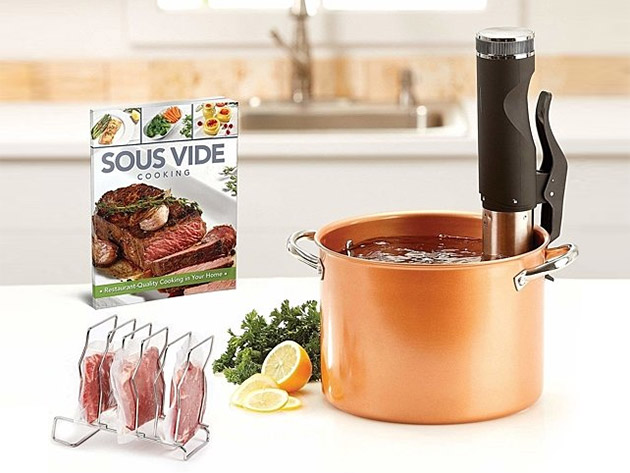
At its core, a sous vide cooker, often called an immersion circulator, is a device that brings water to a specific, precise temperature and then maintains that temperature consistently over time. The name “sous vide” itself is French for “under vacuum,” referring to the method of sealing food in a bag (often vacuum-sealed, but a good old zip-top can work too!) and immersing it in this temperature-controlled water bath. This gentle, precise cooking method ensures your food cooks evenly from edge to edge, achieving textures and flavors that are virtually impossible to replicate with traditional techniques.
Originating in the professional kitchens of France in the 1970s, sous vide was once the exclusive domain of Michelin-star chefs. They cherished it for its ability to produce consistent results, reduce food waste, and allow for incredible meal planning flexibility. Fast forward to today, and thanks to technological advancements and a boom in home culinary curiosity, these once high-tech gadgets are now readily available and surprisingly affordable for the everyday home cook.
Why Choose an Affordable Sous Vide Cooker?
The beauty of the current market is that you don’t need to spend a fortune to experience the magic of sous vide. Many excellent immersion circulators are available for under $100, offering remarkable precision and reliability. Choosing a budget-friendly sous vide cooker means you can:
- Experiment without a huge commitment: Dip your toes into the world of precision cooking without the worry of a significant investment.
- Achieve consistent results: Even affordable models boast impressive temperature accuracy, ensuring your steaks are perfectly medium-rare and your chicken is unbelievably juicy, every single time.
- Expand your culinary repertoire: From delicate fish to perfectly poached eggs, tough cuts of meat to vibrant vegetables, a sous vide cooker opens up a world of new possibilities.
Don’t let the price tag fool you; “affordable” doesn’t mean sacrificing quality. Many budget models are packed with features that deliver an outstanding cooking experience.
Top Contenders: Best Sous Vide Cookers Under $100
Navigating the market for the best sous vide cooker under $100 can feel a bit like a treasure hunt, but fear not! We’ve done the digging to highlight some of the top performers that consistently deliver without emptying your wallet.
For those eager to get started, a sous vide immersion circulator is the essential piece of equipment. It clips onto virtually any pot or container, heating and circulating the water to a set temperature. This is where the magic happens, transforming everyday ingredients into culinary masterpieces.
Here are a few models that frequently earn high praise in the sub-$100 category:
Inkbird ISV-200W/ISV-300W
Inkbird has made a name for itself by offering powerful and feature-rich immersion circulators at incredibly competitive prices.
- Features: Both the ISV-200W and ISV-300W models typically offer 1000 watts of power, which means faster heating and excellent temperature stability. They often come with Wi-Fi connectivity, allowing you to control and monitor your cook from afar using a smartphone app. Safety features like automatic shut-off and low-water level alarms are usually included, providing peace of mind during longer cooking sessions. The ISV-300W might offer additional presets and an IPX7 waterproof rating for enhanced durability and easier cleaning.
- Pros: Excellent value for money, powerful heating, app control (great for remote monitoring), reliable temperature precision.
- Cons: Some users have reported occasional app connectivity issues or concerns about the accuracy of water level sensors on certain models. The ISV-300W can be a bit bulky and some note a noticeable operational noise.
Anova Precision Cooker Nano
Anova is a pioneer in bringing sous vide to the home kitchen, and their Nano model offers a fantastic entry point into their ecosystem of quality and app-driven cooking.
- Features: The Anova Nano typically runs on 750-850 watts, making it a compact yet capable choice. It features Bluetooth connectivity (some versions may offer Wi-Fi), allowing you to control it via the intuitive Anova app, which is lauded for its extensive recipe library. Its compact size makes it easy to store in smaller kitchens.
- Pros: Renowned brand reliability, user-friendly app with many recipes, compact design, good temperature accuracy for its class.
- Cons: Lower wattage can mean slower heating times, especially for larger water baths. Some reviewers note that the fixed clamp design can be less versatile with thicker pots or containers compared to adjustable clamps. Eggs cooked in tests with the Nano have sometimes been found to be slightly overcooked due to temperature variances.
Instant Pot Accu Slim Sous Vide Immersion Circulator
From the makers of the ubiquitous Instant Pot, the Accu Slim brings simplicity and solid performance to the budget sous vide market.
- Features: This immersion circulator usually features an 800-watt heating element and a straightforward onboard display for setting temperature and time. Its design often includes a robust, fixed clamp that can securely attach to various cooking vessels, including, conveniently, the inner pot of an Instant Pot. It’s often praised for its easy setup and operation.
- Pros: Simple and intuitive controls, reliable temperature accuracy, can heat water faster than some more powerful models in testing, making it a great choice for beginners.
- Cons: The 800W can be slower to heat water initially compared to 1000W+ units. The timer alert can be quiet and easily missed, and its fixed clamp may not fit all vessels. While it performs well, it’s also one of the larger budget options.
While popular models like the Anova Precision Cooker 2.0/3.0 and the Breville Joule Turbo are often considered benchmarks in sous vide, they typically fall above the $100 price point, though sales can occasionally bring certain Anova models close.
Essential Features to Look for in a Budget Sous Vide Cooker
When you’re searching for your ideal sous vide cooker under $100, keep these crucial features in mind to ensure you get the best bang for your buck:
Power (Wattage)
Look for models offering between 800 to 1100 watts of power. Higher wattage generally translates to quicker water heating and more stable temperature maintenance, especially for larger volumes of water. While 800W is perfectly capable, 1000W or more will noticeably speed up your cooking process.
Temperature Accuracy & Stability
This is the cornerstone of sous vide cooking. The best budget sous vide cookers should offer precision control, ideally maintaining temperatures within ±0.1°F (±0.1°C) of your target. Consistent circulation is also key to preventing hot and cold spots in the water bath.
Controls & Connectivity
Do you prefer simple onboard buttons or love controlling gadgets with your smartphone?
- Onboard Display: Some models offer clear digital displays and tactile buttons directly on the device, perfect for those who want a straightforward, screen-free cooking experience.
- App Control (Wi-Fi/Bluetooth): Many affordable sous vide cookers feature Wi-Fi or Bluetooth connectivity. Wi-Fi allows for remote monitoring and control from anywhere with an internet connection, while Bluetooth works within your home. Apps often come with integrated recipes, cooking guides, and notifications, enhancing the overall user experience.
Safety Features
Non-negotiable for any kitchen appliance! Ensure your chosen sous vide cooker includes:
- Automatic Shut-off: This is crucial if water levels drop too low, preventing damage to the device and potential hazards.
- Low-Water Sensors: These alert you if the water level needs topping up, ensuring continuous and safe operation.
- Waterproof Construction (IPX7): An IPX7 rating means the device can withstand splashes and even accidental submersion, making it safer and easier to clean.
Build Quality & Material
Look for immersion circulators with stainless steel components. These are more durable, easier to clean, and resistant to corrosion, ensuring your sous vide cooker lasts for many delicious meals to come.
Container Compatibility & Size
Consider the type and size of pots or containers you already own. Most budget-friendly models are compatible with standard kitchen containers up to 20 liters. Check the clamping mechanism – an adjustable clamp offers more versatility than a fixed one, especially if you plan to use various pot sizes or even a cooler for larger cooks.
Noise Level
Sous vide cooking can take hours, so a quiet immersion circulator is a significant plus. Look for models praised for their ultra-quiet operation, often achieved with brushless DC motors.
How to Use Your Sous Vide Cooker: A Beginner’s Guide
Getting started with your new best sous vide cooker under $100 is easier than you might think!
- Set Up Your Water Bath: Choose a pot or container large enough for your food to be fully submerged. Clip your sous vide cooker securely to the side. Fill the container with water, ensuring it’s between the minimum and maximum fill lines on your device.
- Set Temperature and Time: Power on your cooker and set the desired temperature and cooking time, either directly on the device or via its companion app. For instance, a medium-rare steak might be 130°F (54.4°C) for 1-2 hours.
- Prepare Your Food: Season your food (meat, fish, vegetables, eggs) and place it in a heat-safe, sealable bag. A vacuum sealer is ideal, but a high-quality zip-top freezer bag works perfectly with the water displacement method: slowly lower the bag into the water bath, letting the water pressure push out the air before sealing it.
- Submerge and Cook: Once the water reaches the target temperature, gently place your sealed food bag into the bath. Ensure it’s fully submerged and not floating. You can use binder clips to secure the bag to the side of the container.
- Finish with a Sear (for meats): After cooking, remove your food from the bag. For meats, pat them thoroughly dry and then quickly sear them in a scorching hot pan (cast iron works wonders!) or on a grill for a beautiful crust and added flavor. This step is brief, just 1-2 minutes per side.
Tips and Tricks for Sous Vide Success
Becoming a sous vide master takes practice, but these tips will get you started on the right foot:
- Insulate Your Bath: For longer cooks or to reduce energy consumption, cover your water bath with plastic wrap, foil, or even a layer of ping pong balls. This minimizes evaporation and helps maintain temperature more efficiently.
- Embrace the Water Displacement Method: If you don’t have a vacuum sealer, this technique is your best friend. It effectively removes air from zip-top bags.
- Plan Ahead: Sous vide is excellent for meal prep. Cook proteins in advance, chill them, and then quickly reheat and sear when ready to serve.
- Don’t Fear Frozen: You can cook most foods directly from frozen; just add an hour or two to the cooking time.
- Basic Recipes to Try:
- Steak: 130°F (54.4°C) for 1.5-3 hours for perfect medium-rare.
- Chicken Breast: 145°F (63°C) for 1-2 hours for incredibly juicy chicken.
- Eggs: 140°F (60°C) for 45 minutes for a perfectly poached-like egg, or 167°F (75°C) for 12 minutes for a soft-set yolk.
- Vegetables: 183°F (84°C) for 45 minutes to 2 hours for tender-crisp results.
“Sous vide cooking truly democratizes gourmet cuisine,” notes Chef Arthur Dubois, a veteran of several acclaimed bistros. “With an affordable immersion circulator, home cooks can achieve results that were once exclusive to professional kitchens, proving that precision doesn’t have to be pricey.”
Cleaning and Maintenance for Longevity
Keeping your best sous vide cooker under $100 in top shape is straightforward and ensures it will be a reliable kitchen companion for years.
- Regular Cleaning: After each use, wipe down the heating element and circulating pump with a damp cloth to remove any food residue or mineral deposits. Most units are waterproof, making quick rinses easy.
- Descaling: Over time, mineral buildup (especially in hard water areas) can affect performance. Descale your unit every few months by running it in a water bath with equal parts white vinegar and water for 30 minutes at 140°F (60°C).
- Proper Storage: Allow your sous vide cooker to cool and dry completely before storing it in a cool, dry place. Its compact size means it won’t take up much precious cabinet space.
Frequently Asked Questions (FAQ)
Can I use regular plastic bags instead of vacuum-sealed bags for sous vide?
Yes, absolutely! You can use high-quality, BPA-free zip-top freezer bags. The “water displacement method” is your friend here: place your food in the bag, slowly lower it into the water bath, and the water pressure will push out most of the air before you seal the bag.
How long does it take to preheat water for sous vide cooking?
Preheating typically takes 10-20 minutes. For instance, heating water from room temperature (around 70°F) to a medium-rare steak temperature of 130°F usually takes about 15 minutes. Larger water baths or higher target temperatures will naturally take a bit longer, possibly up to 30 minutes.
What happens if there’s a power outage during cooking?
If the power goes out for less than an hour, your food is likely safe because the water retains heat well. Just restart cooking, adding the lost time. For outages longer than two hours, it’s generally best to discard the food to prevent bacterial growth, as it may have entered the “danger zone.”
Is sous vide a safe way to cook?
When used correctly with an accurate immersion circulator, sous vide is a very safe cooking method. The precise temperature control ensures food reaches and holds safe temperatures, minimizing the risk of foodborne pathogens. Just ensure you follow recommended time and temperature guidelines.
Can I sous vide in an Instant Pot?
While some Instant Pot models have a “sous vide” function, they are generally less accurate at maintaining a consistent temperature than a dedicated immersion circulator. It’s often better to use the inner pot of your Instant Pot as a vessel for your standalone sous vide cooker, which will provide superior temperature control.
Conclusion
So, there you have it! The quest for the best sous vide cooker under $100 isn’t just feasible; it’s an exciting journey into a world of culinary precision and effortless perfection. With impressive options like the Inkbird, Anova Nano, and Instant Pot Accu Slim, you can unlock incredible cooking capabilities without draining your wallet. These budget-friendly immersion circulators prove that you don’t need a professional kitchen or a massive budget to create unbelievably tender steaks, juicy chicken, and perfectly cooked vegetables.
It’s time to stop dreaming about restaurant-quality meals and start cooking them yourself. Embrace the precise control of sous vide, experiment with new recipes, and watch your culinary confidence soar. Your kitchen, and your taste buds, will thank you!
|
Our Picks for the Best Sous Vide Cooker in 2026
As an Amazon Associate I earn from qualifying purchases.
|
||
| Num | Product | Action |
|---|---|---|
| 1 | WIFI 2.4G Sous Vide Cooker 1000W Immersion Circulator with APP 14 Recipes,Alarm,Calibration & Timer, 3D Water Fast Heating Ultra-Quiet Sous Vide Machine |

|
| 2 | Sous Vide Machine Cooker, Immersion Circulator with Recipe, 1000W, Delay Start Function, Temp and Time Digital Display Control |
|
| 3 | Anova Culinary Sous Vide Precision Cooker Pro, 1200 Watts, Black and Silver |
|
| 4 | 2.4G WIFI Sous Vide Cooker INKBIRD Sous Vide Machine with APP Control, 1000 Watts Immersion Circulator with APP Recipes Timer Alarm Mobile Notification, 3D Water Fast Heating Ultra-Quiet |
|
| 5 | INKBIRD WIFI Sous Vide Cooker ISV-100W, 1000 Watts Sous Vide Machine Immersion Circulator with 14 Preset Recipes on APP & Calibration Function, Thermal Immersion, Fast-Heating with Timer |
|
| 6 | Sous Vide Machines, Sous Vide Cooker, 1000 Watts Immersion Circulators with Recipe, Accurate Temperature and Time Control |
|
| 7 | Anova Culinary Sous Vide Precision Cooker 2.0 (WiFi), 1000 Watts |
|
| 8 | Anova Culinary Sous Vide Precision Cooker Nano 2.0 |
|
| 9 | Anova Culinary Sous Vide Precision Cooker 3.0 (WiFi), 1100 Watts |
|
| 10 | KitchenBoss WiFi Sous Vide Cooker: Ultra-quiet Sous Vide Machine Built-in TFT Color Display Recipes, 1100W Sous Vide Immersion Circulator Accurate Temp Waterproof Magnetic Knob APP Control, Silver |
|