Ever dreamed of effortlessly cooking restaurant-quality meals right in your own kitchen? Meet the sous vide immersion cooker, a game-changing gadget that’s transforming how home chefs approach culinary perfection. This isn’t just another kitchen tool; it’s your personal sous chef, promising consistent, delicious results every single time. It truly takes the guesswork out of cooking, allowing you to achieve flavors and textures that were once reserved for professional establishments.
|
Our Picks for the Best Sous Vide Cooker in 2026
As an Amazon Associate I earn from qualifying purchases.
|
||
| Num | Product | Action |
|---|---|---|
| 1 | Sous Vide Machine Cooker, Immersion Circulator with Recipe, 1000W, Delay Start Function, Temp and Time Digital Display Control |

|
| 2 | 2.4G WIFI Sous Vide Cooker INKBIRD Sous Vide Machine with APP Control, 1000 Watts Immersion Circulator with APP Recipes Timer Alarm Mobile Notification, 3D Water Fast Heating Ultra-Quiet |
|
| 3 | Anova Culinary Sous Vide Precision Cooker Pro, 1200 Watts, Black and Silver |
|
| 4 | KitchenBoss WiFi Sous Vide Cooker: Ultra-quiet Sous Vide Machine Built-in TFT Color Display Recipes, 1100W Sous Vide Immersion Circulator Accurate Temp Waterproof Magnetic Knob APP Control, Silver |
|
| 5 | WIFI 2.4G Sous Vide Cooker 1000W Immersion Circulator with APP 14 Recipes,Alarm,Calibration & Timer, 3D Water Fast Heating Ultra-Quiet Sous Vide Machine |
|
| 6 | Anova Culinary Sous Vide Precision Cooker 3.0 (WiFi), 1100 Watts |
|
| 7 | Anova Culinary Sous Vide Precision Cooker Nano 2.0 |
|
| 8 | Anova Culinary Sous Vide Precision Cooker 2.0 (WiFi), 1000 Watts |
|
| 9 | Sous Vide Machines, Sous Vide Cooker, 1000 Watts Immersion Circulators with Recipe, Accurate Temperature and Time Control |
|
| 10 | INKBIRD WIFI Sous Vide Cooker ISV-100W, 1000 Watts Sous Vide Machine Immersion Circulator with 14 Preset Recipes on APP & Calibration Function, Thermal Immersion, Fast-Heating with Timer |
|
What is a Sous Vide Immersion Cooker?
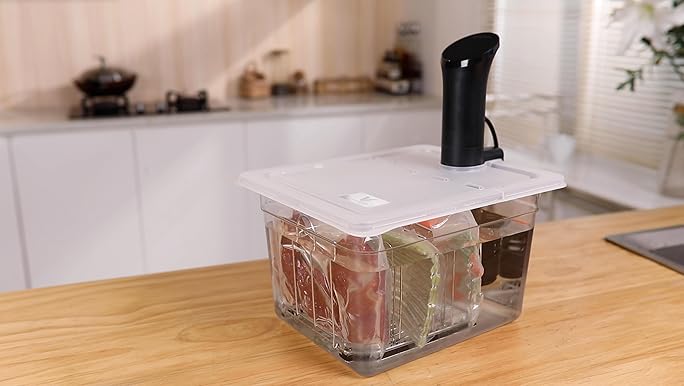
At its heart, “sous vide” (pronounced “soo-veed”) is a French term meaning “under vacuum.” It describes a cooking method where food, typically sealed in a bag, is submerged and cooked in a precisely temperature-controlled water bath for an extended period. The star of this show, the sous vide immersion cooker, is the device responsible for making this magic happen. It’s essentially a compact heating element and pump that clips onto the side of almost any pot or container, heating the water to an exact degree and circulating it to maintain that temperature flawlessly.
While the concept of low-temperature cooking has roots tracing back to Benjamin Thompson in 1799, the modern sous vide technique was pioneered by French chef Georges Pralus in 1974. What was once complex and costly commercial equipment has now become accessible and affordable for every home cook, bringing professional precision into everyday kitchens.
The Science of Sous Vide: Why It Works So Well
The brilliance of the sous vide immersion cooker lies in its unwavering precision. Traditional cooking methods like ovens, stovetops, or grills often expose food to fluctuating, much higher temperatures, leading to uneven cooking where the outside might be overdone before the inside reaches its desired doneness.
With sous vide, you set your desired final temperature for the food, and the immersion circulator maintains the water bath at that exact heat. Because water is an excellent conductor of heat, it gently and evenly transfers energy to every inch of your sealed food. This meticulous temperature control ensures uniform cooking from edge to edge. Furthermore, since the food cannot get hotter than the water it’s immersed in, overcooking becomes nearly impossible. This controlled environment allows proteins to cook without drying out, and vegetables to become perfectly tender without losing their vibrant color or vital nutrients.
Unlocking Culinary Excellence: Benefits of a Sous Vide Immersion Cooker
Investing in a sous vide immersion cooker isn’t just about trying a new gadget; it’s about upgrading your entire cooking experience. The advantages are truly astounding:
- Unparalleled Consistency: Say goodbye to guesswork. Because you cook to a precise temperature for a precise time, you can expect the exact same perfect result, every single time you prepare a dish. Imagine a perfectly medium-rare steak, edge-to-edge, without fail!
- Enhanced Flavor and Moisture Retention: Food cooks in its own juices within the sealed bag, intensifying flavors and aromas that would otherwise escape during conventional cooking. This means incredibly juicy meats and vibrant vegetables that burst with natural taste.
- Superior Texture: Low-temperature, long-time cooking is a game-changer for texture. For proteins, it breaks down tough connective tissues, yielding unbelievably tender results, even from less expensive cuts of meat.
- Ultimate Flexibility and Hands-Off Cooking: Once your food is in the water bath, your sous vide immersion cooker takes over. You don’t need to constantly monitor it; the food holds at its target temperature for hours without overcooking. This frees up your time for other tasks, whether it’s preparing side dishes, entertaining guests, or simply relaxing.
- Effortless Meal Prep and Entertaining: Sous vide is a meal-prepper’s dream. Cook large batches of food in advance, then chill or freeze. When you’re ready to eat, a quick reheat in the water bath brings it back to perfection. For parties, you can sous vide your main course hours before guests arrive and simply finish it with a quick sear when it’s time to serve.
- Healthier Cooking Options: Many sous vide recipes require minimal to no added fats or oils, as food retains its natural moisture. This gentle cooking method also helps preserve nutrients that might be lost with higher heat cooking.
- Cost-Effective Culinary Adventures: By transforming tougher, more affordable cuts of meat into tender masterpieces, sous vide can help reduce your grocery bill. Plus, eliminating overcooked food means less waste, saving you money in the long run.
Choosing Your Culinary Companion: Types of Sous Vide Immersion Cookers
When diving into the world of sous vide, you’ll primarily encounter two main types of equipment, though immersion circulators are by far the most popular for home use.
- Immersion Circulators (Stick-Style): These are the most common and versatile sous vide immersion cookers for home chefs. They are compact, stick-like devices that clamp onto the side of any pot or container you already own, converting it into a precision water bath. Brands like Anova and Breville Joule are well-known in this category. They take up minimal kitchen space and are generally more affordable, making them an excellent starting point for beginners and seasoned cooks alike.
- Sous Vide Water Ovens (Tank-Style): These are self-contained units that include a built-in water bath. While common in professional kitchens, they are bulkier and more expensive, typically taking up more counter space. Unlike immersion circulators, some older water ovens don’t actively circulate the water, which can sometimes lead to slight temperature inconsistencies.
Your First Sous Vide Adventure: A Step-by-Step Guide
Ready to get cooking with your sous vide immersion cooker? It’s simpler than you might think! Here’s a basic rundown to get you started:
Setting Up Your Station
- Choose Your Vessel: Grab a large pot or a dedicated sous vide container. Remember, your immersion cooker needs to be submerged, so ensure the pot is deep enough. Metal pots work wonderfully due to their heat retention properties.
- Attach the Cooker: Clamp your sous vide immersion cooker securely to the side of your pot.
- Fill with Water: Fill the pot with water, making sure it’s between the minimum and maximum fill lines indicated on your circulator. Using room temperature water can save time, but the cooker will heat it regardless.
- Cover Up: To prevent excessive water evaporation during longer cooks, consider covering your pot with aluminum foil or a lid, leaving a small gap for the circulator.
Preparing Your Food
- Season Generously: Season your food as you normally would. Salt, pepper, herbs, and spices all work great. You can also add aromatics like garlic cloves or fresh rosemary directly into the bag.
- Bag It Up: Place your seasoned food into a heat-safe, sealable bag. Heavy-duty zipper-lock freezer bags are a popular choice for shorter cooks, but for longer cooks or more advanced sealing, vacuum sealer bags are ideal.
- Remove the Air: This is crucial for efficient heat transfer and to prevent your bag from floating.
- Vacuum Sealer: The most effective method is using a vacuum sealer. Simply place your food in a vacuum bag, position the open end in the sealer, and let the machine do its work.
- Water Displacement Method: If you don’t have a vacuum sealer, this trick works wonders. Place your food in a zipper-lock bag, leaving the top unsealed. Slowly lower the bag into the water bath, letting the water pressure push the air out. Just before the bag is fully submerged, seal the top.
The Cooking Process
- Set the Temperature: Consult a sous vide cooking guide or recipe for the ideal temperature for your food and desired doneness. Set this temperature on your immersion cooker.
- Submerge the Food: Once the water reaches the set temperature, carefully place your sealed bag(s) into the water bath. Ensure the food is fully submerged. If it floats, use a heat-resistant plate, mug, or clips to weigh it down.
- Set the Timer: Start your timer only after the food has been added to the water and the water has reached the target temperature.
- Relax and Wait: This is the “hands-off” part! Your sous vide immersion cooker will do all the work.
The Finishing Touch: Post-Sous Vide Sear
- Remove and Dry: Once the timer signals the end of your cook, carefully remove the bag from the water bath. Take the food out of the bag and pat it thoroughly dry with paper towels. This step is vital for achieving a beautiful crust.
- Sear for Perfection: For most meats and some vegetables, a quick sear is essential for developing flavor and a pleasing texture. Heat a cast-iron skillet or grill to screaming hot with a high-smoke-point oil. Sear the food for 60-90 seconds per side, just until a golden-brown crust forms. You can also use a kitchen torch for precision browning.
Unleash Your Inner Chef: Tips and Recipes for Your Sous Vide Immersion Cooker
The versatility of the sous vide immersion cooker is truly remarkable, allowing you to create an array of dishes that will impress any palate.
Popular Recipes
- Steak: Achieving a perfect medium-rare steak from edge-to-edge is a hallmark of sous vide. Try a ribeye at 130°F (54°C) for 1-3 hours, followed by a blazing hot sear for that irresistible crust.
- Chicken Breast: Say goodbye to dry chicken! Sous vide chicken breasts come out incredibly juicy and tender. Try 145°F (63°C) for 1-2 hours.
- Salmon: For delicate, flaky, and moist salmon, a sous vide immersion cooker is unmatched. A common setting is 122°F (50°C) for 45 minutes.
- Pork Chops & Tenderloin: Enjoy exceptionally tender and flavorful pork. Cook pork chops at 140°F (60°C) for 1-3 hours.
- Eggs: Yes, even eggs! From perfectly poached to custard-like, sous vide offers incredible control. Try 167°F (75°C) for 12 minutes for a soft, poached-like egg.
- Vegetables: Sous vide vegetables like asparagus (167°F / 75°C for 45 mins) and carrots (194°F / 90°C for 1 hour) emerge tender-crisp and intensely flavorful.
Expert Tips for Success
“The beauty of a sous vide immersion cooker is that it empowers you to cook with confidence,” shares culinary expert Dr. Clara Jenkins. “Don’t be afraid to experiment with different temperatures and times to find your perfect doneness. It’s a forgiving method, allowing for a wider window of perfection.”
- Consult Cooking Guides: Especially when starting out, rely on trusted sous vide cooking guides or apps (like those from Anova or ChefSteps) for precise time and temperature recommendations.
- Don’t Overcrowd: Ensure there’s enough space in the water bath for water to circulate freely around each bag for even cooking.
- Keep it Submerged: Any floating bags can lead to unevenly cooked food. Use weights, clips, or a rack to keep everything underwater.
- Pat Dry Before Searing: This cannot be stressed enough! A dry surface is crucial for achieving a beautiful, golden-brown crust during the post-sous vide sear.
Keeping Your Cooker in Top Shape: Cleaning and Maintenance of Your Sous Vide Immersion Cooker
Like any beloved kitchen appliance, your sous vide immersion cooker benefits from regular care to ensure longevity and optimal performance.
Daily Cleaning Routine
After each use, once the device has cooled down and is unplugged, wipe the immersed parts with a damp cloth or sponge using warm, mild soapy water. Be careful not to submerge the entire unit in water or clean it under running water. Dry thoroughly with a soft cloth. Don’t forget to clean the protective grating, which is often dishwasher-safe.
Weekly or Regular Descaling
Mineral deposits from tap water can build up on the heating element over time, reducing efficiency. To combat this, a descaling bath is recommended every few weeks or months, depending on your water hardness:
- Fill a container with an equal parts solution of distilled white vinegar and water.
- Submerge the immersed parts of your sous vide immersion cooker into this solution.
- Set the temperature to around 140-150°F (60-65°C) and let it run for 30-60 minutes.
- Turn off and unplug the device, then drain the vinegar solution. Rinse the cooker thoroughly with fresh water, and optionally run it in clean water for a few minutes to ensure all residue is gone.
- Dry completely before storing.
Deeper Cleaning for Stubborn Deposits or Accidents
For particularly stubborn mineral buildup, a 10% CLR (Calcium, Lime, Rust cleaner) solution mixed with water can be used, following the same process as the vinegar bath (140°F / 60°C for 1 hour). Always rinse thoroughly multiple times with fresh water after using CLR to ensure no chemical residue remains before cooking again.
In the unfortunate event of a bag leak, a more intensive clean is necessary. Start with a vinegar bath, and if your model allows (some Anova models do), carefully open the circulator to clean internal components with a soft brush and mild soap.
Maintenance Tips for Longevity
- Consider Distilled Water: Using distilled water in your sous vide bath can significantly reduce mineral buildup and the need for frequent descaling.
- Proper Storage: Store your sous vide immersion cooker in a cool, dry place away from humidity.
- Regular Inspection: Periodically check the power cable and connectors for any signs of wear or damage.
Frequently Asked Questions About Sous Vide Immersion Cookers
Got more questions brewing? Let’s tackle some common queries about this fantastic cooking method.
What exactly does “sous vide” mean?
“Sous vide” is a French term that translates to “under vacuum”. It refers to the method of cooking food that is sealed in a bag, often vacuum-sealed, in a precisely controlled water bath.
Do I need a vacuum sealer for sous vide cooking?
While a vacuum sealer provides the most effective air removal and is great for batch cooking, it’s not strictly necessary for every cook. You can use heavy-duty zipper-lock freezer bags and employ the “water displacement method” to remove most of the air.
Can I overcook food with sous vide?
It’s very difficult to truly “overcook” food with a sous vide immersion cooker in the traditional sense of burning or drying out. Since the water temperature never exceeds your target food temperature, your food simply won’t get hotter. However, very long cook times, especially for delicate items like fish or eggs, can sometimes affect texture.
Is sous vide cooking safe?
Yes, sous vide cooking is very safe when proper time and temperature guidelines are followed, especially for meats and poultry. The precise temperature control ensures that food reaches and maintains a temperature sufficient to kill harmful bacteria, providing a safe and consistently cooked product.
What are some common mistakes to avoid?
Forgetting to pat food dry before searing, not removing enough air from the bag (leading to floating), and neglecting to cover the water bath for long cooks (leading to excessive evaporation) are common pitfalls. Always refer to reliable time and temperature charts for best results.
The Sous Vide Journey: A Delicious Invitation
The sous vide immersion cooker has truly democratized precise cooking, allowing anyone to achieve culinary results that once seemed out of reach. From flawlessly cooked steaks to tender vegetables and succulent seafood, its ability to deliver consistent quality, enhanced flavor, and unparalleled moisture retention makes it an invaluable addition to any kitchen. So, why not embark on your own sous vide adventure? Explore the possibilities, experiment with new recipes, and prepare to elevate your home cooking to an art form. Your taste buds will thank you!