Imagine a single kitchen appliance that allows you to whip up a hearty stew in minutes and then, with a simple touch, transform into a precision tool for perfectly tender steaks. Welcome to the world of the pressure cooker with sous vide function, a game-changer for home cooks and culinary enthusiasts alike. This innovative combination brings together speed, convenience, and gourmet precision, making sophisticated cooking more accessible than ever before. If you’ve been curious about elevating your cooking without cluttering your counters, understanding this versatile appliance is your next step.
|
Our Picks for the Best Sous Vide Cooker in 2026
As an Amazon Associate I earn from qualifying purchases.
|
||
| Num | Product | Action |
|---|---|---|
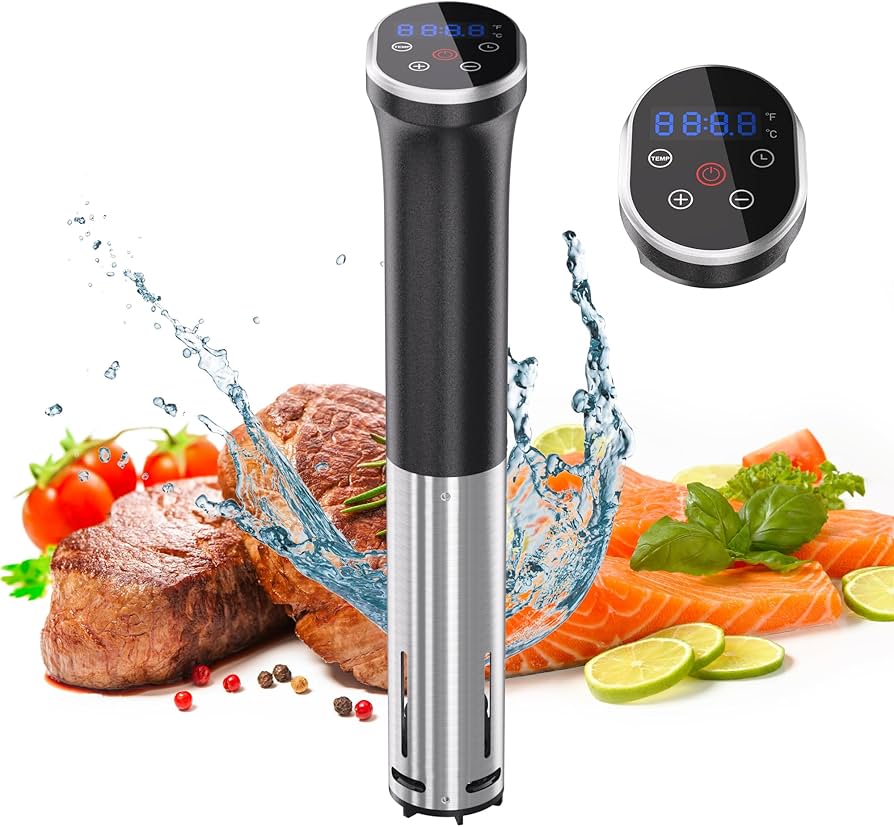
| 1 | Sous Vide Machines, Sous Vide Cooker, 1000 Watts Immersion Circulators with Recipe, Accurate Temperature and Time Control |

|
| 2 | INKBIRD WIFI Sous Vide Cooker ISV-100W, 1000 Watts Sous Vide Machine Immersion Circulator with 14 Preset Recipes on APP & Calibration Function, Thermal Immersion, Fast-Heating with Timer |
|
| 3 | Sous Vide Machine Cooker, Immersion Circulator with Recipe, 1000W, Delay Start Function, Temp and Time Digital Display Control |
|
| 4 | 2.4G WIFI Sous Vide Cooker INKBIRD Sous Vide Machine with APP Control, 1000 Watts Immersion Circulator with APP Recipes Timer Alarm Mobile Notification, 3D Water Fast Heating Ultra-Quiet |
|
| 5 | Anova Culinary Sous Vide Precision Cooker Nano 2.0 |
|
| 6 | Anova Culinary Sous Vide Precision Cooker 2.0 (WiFi), 1000 Watts |
|
| 7 | Anova Culinary Sous Vide Precision Cooker 3.0 (WiFi), 1100 Watts |
|
| 8 | Anova Culinary Sous Vide Precision Cooker Pro, 1200 Watts, Black and Silver |
|
| 9 | KitchenBoss WiFi Sous Vide Cooker: Ultra-quiet Sous Vide Machine Built-in TFT Color Display Recipes, 1100W Sous Vide Immersion Circulator Accurate Temp Waterproof Magnetic Knob APP Control, Silver |
|
| 10 | WIFI 2.4G Sous Vide Cooker 1000W Immersion Circulator with APP 14 Recipes,Alarm,Calibration & Timer, 3D Water Fast Heating Ultra-Quiet Sous Vide Machine |
|
What Exactly is a Pressure Cooker with Sous Vide?
At its core, a pressure cooker with sous vide refers to a modern multi-cooker, often an electric pressure cooker, that integrates a dedicated sous vide cooking program. Think of popular brands like Instant Pot, which have expanded their capabilities far beyond just high-pressure cooking. While traditional pressure cooking dramatically speeds up cooking times by raising boiling points inside a sealed pot, sous vide (French for “under vacuum”) takes a slow, precise approach. It involves vacuum-sealing food and cooking it in a temperature-controlled water bath to achieve incredibly consistent results. The beauty of these hybrid appliances lies in offering both methods within one convenient unit, allowing for unparalleled flexibility in your kitchen.
The Magic Behind the Method: How Multi-Cooker Sous Vide Works
The sous vide function on a pressure cooker with sous vide operates on the principle of precise temperature control. Instead of an external immersion circulator heating and moving water around a separate container, the multi-cooker itself maintains a constant temperature within its inner pot. You simply fill the pot with water, select the sous vide program, and set your desired temperature and cooking time. The appliance’s digital sensors monitor and adjust the heating element to keep the water bath at a remarkably steady degree, ensuring your food cooks evenly from edge to edge.
It’s important to note a key difference: most multi-cookers with sous vide functions do not actively circulate the water. While dedicated immersion circulators continuously move water to eliminate temperature stratification, these multi-cookers achieve sufficient temperature stability for excellent results in most home cooking scenarios. The consistent heat penetration ensures that meats, fish, vegetables, and even eggs reach their ideal doneness without the risk of overcooking.
Unlocking Culinary Potential: Advantages of Your Pressure Cooker with Sous Vide
Embracing a pressure cooker with sous vide function offers a myriad of benefits that can transform your cooking experience and expand your culinary repertoire.
Unbeatable Convenience and Versatility
Having a single appliance that masters both rapid pressure cooking and precise sous vide saves valuable counter space and reduces clutter. It’s the ultimate multitasker, capable of everything from a quick weeknight chili to a slow-cooked, restaurant-quality filet mignon. This versatility makes it an invaluable asset for any kitchen, allowing you to explore diverse cooking techniques without investing in multiple specialized gadgets.
Consistently Perfect Results, Every Time
One of the most compelling reasons to use the sous vide function is the unparalleled consistency it provides. By cooking food in a precisely controlled water bath, you eliminate the guesswork and ensure your ingredients reach the exact internal temperature you desire. Say goodbye to overcooked chicken or unevenly done steaks; with a pressure cooker with sous vide, you’re guaranteed juicy, tender, and perfectly cooked results every single time. As renowned culinary expert Chef Antoine Dubois often quips, “Sous vide isn’t just a method; it’s a guarantee of perfection on every plate.”
Hands-Off Cooking for a Stress-Free Kitchen
Both pressure cooking and sous vide offer a significant advantage: they are largely hands-off. Once you’ve set your program for sous vide, you can walk away and attend to other tasks, knowing your food is cooking perfectly. The precise temperature control means you won’t overcook your meal even if it stays in the water bath for a little longer than planned, offering incredible flexibility for busy schedules.
Enhanced Food Safety
The controlled temperature and extended cooking times of sous vide pasteurize many foods, reducing harmful bacteria and enhancing food safety. This is particularly beneficial for cooking proteins to precise doneness levels, ensuring they are safe to eat while retaining their optimal texture and moisture.
Navigating the Nuances: Limitations to Consider
While a pressure cooker with sous vide offers fantastic convenience, it’s helpful to understand its limitations to maximize your cooking success.
Lack of Water Circulation
As mentioned, most multi-cookers with sous vide lack active water circulation. While their digital temperature control is usually excellent, very large cuts of meat or overly crowded pots might experience minor temperature variations compared to a dedicated immersion circulator. For most home cooking, this difference is negligible, but it’s a factor for extreme precision.
Searing Challenges
Electric multi-cookers are generally not designed for high-heat searing. While they often have a sauté function, it typically doesn’t reach the temperatures required for a deep, flavorful Maillard reaction. This means you’ll often need to transfer your sous vide-cooked food to a hot pan, grill, or broiler for that irresistible caramelized crust. This extra step, while worth it for flavor, does add another piece of equipment to clean.
Capacity Constraints
The capacity of your multi-cooker’s inner pot will limit the amount of food you can sous vide at once. While great for family meals, it might not be ideal for very large gatherings or extensive batch meal prepping where a larger, dedicated sous vide container might be more suitable.
Cooking Time Differences
Remember, the sous vide function operates much slower than pressure cooking. If you’re accustomed to the lightning-fast meals from your pressure cooker, be prepared for sous vide to take an hour or more, depending on the food. It’s a method for deliberate, precise cooking, not hurried meals.
Getting Started: Your Basic Guide to Sous Vide in a Multi-Cooker
Ready to dive in? Using the sous vide function on your pressure cooker with sous vide is simpler than you might think.
Essential Equipment You’ll Need
- Your Multi-Cooker: Ensure it has a dedicated sous vide function.
- Inner Pot: Use the stainless steel inner pot that comes with your appliance.
- Bags: High-quality, BPA-free freezer bags (like Ziploc freezer bags) or vacuum-sealable bags are essential. Freezer bags can be sealed using the water displacement method.
- Tongs & Oven Mitts: For safely handling hot bags and finished food.
- Digital Thermometer (Optional but Recommended): To occasionally verify the water temperature for ultimate peace of mind.
- Weight (Optional): A dedicated sous vide rack or a small, heat-safe dish can help keep bags fully submerged.
Step-by-Step Process
- Fill the Pot: Add water to your multi-cooker’s inner pot, typically to the halfway mark.
- Season and Bag Your Food: Generously season your food. Place it in a sous vide bag or a high-quality freezer bag. If using a freezer bag, employ the water displacement method: submerge the bag (leaving a small opening at the top) into the water bath, letting the water pressure push out the air before sealing the last inch.
- Set Time and Temperature: Select the sous vide function on your multi-cooker and set the desired temperature and cooking time based on your recipe and the type of food.
- Submerge the Food: Once the water reaches the target temperature, carefully lower your sealed food bag into the water bath. Ensure it’s fully submerged; use a weight if necessary.
- Cook: Let your multi-cooker do its work. The digital controls will maintain the precise temperature.
- Remove and Finish: When the timer goes off, carefully remove the bag. For most proteins, a quick sear on a hot cast-iron pan, grill, or under a broiler is recommended to develop a delicious crust and enhance flavor.
Expert Tips & Mouthwatering Recipes
As a seasoned culinary enthusiast, I’ve found a few tricks that make the pressure cooker with sous vide truly shine.
Finishing is Key
Remember, sous vide perfectly cooks food internally, but it doesn’t create that desirable caramelized exterior. Always plan for a quick finish: a minute or two per side in a screaming hot pan, a few moments under the broiler, or a rapid grill sear will add incredible depth of flavor and texture. For delicate fish like salmon, you can often achieve a great result by simply seasoning before the water bath.
Flavor Infusion Beyond Belief
The sealed environment of sous vide bags is perfect for infusing flavors. Add fresh herbs, garlic cloves, citrus slices, or a pat of butter directly into the bag with your protein before sealing. The gentle, consistent heat will allow these aromatics to deeply penetrate the food, creating incredibly complex and nuanced tastes.
Ideal for Meal Prep and Batch Cooking
The “set it and forget it” nature of sous vide makes it fantastic for meal preparation. Cook a large batch of chicken breasts or pork tenderloins on Sunday, cool them quickly in an ice bath, and then refrigerate. Throughout the week, you’ll have perfectly cooked protein ready to be quickly seared and added to salads, sandwiches, or stir-fries.
Beyond Proteins: Explore New Horizons
Don’t limit yourself to just meat and fish. Sous vide eggs are a revelation, offering incredible consistency for soft-boiled, poached, or even custard-like textures. Desserts like crème brûlée also benefit immensely from the precise temperature control, yielding silken-smooth results without the fuss of traditional water baths in an oven.
Cleaning and Maintenance for Longevity
Maintaining your pressure cooker with sous vide is straightforward. Always refer to your appliance’s manual, but generally, the inner pot, lid, and sealing ring can be washed with warm, soapy water. Ensure all components are thoroughly dried before reassembly to prevent odors or mildew. Periodically check the sealing ring for wear and tear, as it’s crucial for both pressure cooking and maintaining the water bath temperature. A clean appliance is a happy, long-lasting appliance!
Frequently Asked Questions (FAQ)
Is the sous vide function on a multi-cooker as good as a dedicated immersion circulator?
For most home cooks, the sous vide function on a multi-cooker provides excellent results. While it typically lacks water circulation, the digital temperature control is precise enough to achieve consistently tender and perfectly cooked food. Dedicated circulators might offer slightly more uniform temperature distribution in larger water baths, but the convenience of an all-in-one unit is often a winning factor for everyday use.
Do I need special vacuum-seal bags for sous vide in my multi-cooker?
You can use either dedicated vacuum-seal bags with a vacuum sealer or high-quality, BPA-free freezer bags. Freezer bags work wonderfully with the water displacement method for sealing, which effectively removes air without needing a separate vacuum sealer.
Can I sous vide and pressure cook the same meal simultaneously?
No, the pressure cooker with sous vide function refers to an appliance that offers both capabilities, not that it performs them simultaneously. You’ll choose one cooking method or the other for a given recipe.
What foods are best for sous vide in a multi-cooker?
Sous vide excels with proteins like steak, chicken breast, pork tenderloin, and fish, ensuring they are cooked to perfection without drying out. Eggs, custards, and even certain vegetables also yield fantastic results due to the precise temperature control.
How do I ensure food safety when using the sous vide function?
Always cook foods to safe minimum internal temperatures, which sous vide excels at achieving and maintaining. Refer to reliable time and temperature charts. After cooking, if you’re not eating immediately, rapidly cool foods in an ice bath before refrigerating or freezing to prevent bacterial growth.
Conclusion
The pressure cooker with sous vide is more than just another kitchen gadget; it’s a testament to how modern innovation can simplify and elevate home cooking. By seamlessly blending the speed of pressure cooking with the precision of sous vide, these multi-functional appliances empower you to create everything from quick family dinners to gourmet masterpieces with ease and confidence. Don’t let culinary complexity hold you back. Embrace the versatility, experiment with new recipes, and discover the joy of perfectly cooked food every time. Your journey to becoming a confident, creative home chef starts here!