Have you ever dreamed of consistently creating restaurant-quality dishes in your own kitchen? Imagine a perfectly cooked steak, tender from edge to edge, or chicken breast so juicy it practically melts in your mouth. This isn’t just a fantasy; it’s the everyday reality for those who embrace the power of a sous vide cooker. This ingenious kitchen gadget is revolutionizing home cooking, making precision and perfection accessible to everyone. Forget the guesswork and stress of traditional cooking methods; a sous vide cooker is your ticket to culinary excellence.
|
Our Picks for the Best Sous Vide Cooker in 2026
As an Amazon Associate I earn from qualifying purchases.
|
||
| Num | Product | Action |
|---|---|---|
| 1 | Sous Vide Machine Cooker, Immersion Circulator with Recipe, 1000W, Delay Start Function, Temp and Time Digital Display Control |

|
| 2 | Anova Culinary Sous Vide Precision Cooker 2.0 (WiFi), 1000 Watts |
|
| 3 | WIFI 2.4G Sous Vide Cooker 1000W Immersion Circulator with APP 14 Recipes,Alarm,Calibration & Timer, 3D Water Fast Heating Ultra-Quiet Sous Vide Machine |
|
| 4 | 2.4G WIFI Sous Vide Cooker INKBIRD Sous Vide Machine with APP Control, 1000 Watts Immersion Circulator with APP Recipes Timer Alarm Mobile Notification, 3D Water Fast Heating Ultra-Quiet |
|
| 5 | INKBIRD WIFI Sous Vide Cooker ISV-100W, 1000 Watts Sous Vide Machine Immersion Circulator with 14 Preset Recipes on APP & Calibration Function, Thermal Immersion, Fast-Heating with Timer |
|
| 6 | Sous Vide Machines, Sous Vide Cooker, 1000 Watts Immersion Circulators with Recipe, Accurate Temperature and Time Control |
|
| 7 | Anova Culinary Sous Vide Precision Cooker Nano 2.0 |
|
| 8 | Anova Culinary Sous Vide Precision Cooker 3.0 (WiFi), 1100 Watts |
|
| 9 | KitchenBoss WiFi Sous Vide Cooker: Ultra-quiet Sous Vide Machine Built-in TFT Color Display Recipes, 1100W Sous Vide Immersion Circulator Accurate Temp Waterproof Magnetic Knob APP Control, Silver |
|
| 10 | Anova Culinary Sous Vide Precision Cooker Pro, 1200 Watts, Black and Silver |
|
What is a Sous Vide Cooker and Its Fascinating History?
So, what exactly is this marvel called a sous vide cooker? At its heart, sous vide (pronounced “soo-veed”) is a French term meaning “under vacuum.” It refers to a cooking technique where food is sealed in an airtight bag and then submerged in a precisely temperature-controlled water bath. The actual device, an immersion circulator, is what we commonly refer to as a sous vide cooker. It’s the tool that heats the water and keeps it at an exact temperature, ensuring your food cooks uniformly.
While it feels like a modern culinary innovation, the roots of low-temperature cooking stretch back centuries. The concept was first explored in 1799 by Benjamin Thompson, Count Rumford, who experimented with slow-roasting meat in a controlled-air environment. However, the modern iteration of sous vide cooking truly began to take shape in the 1970s in France. Chef Georges Pralus is often credited with pioneering the method for foie gras at the Troisgros restaurant in 1974, discovering it dramatically improved texture and reduced fat loss. Around the same time, Bruno Goussault was conducting extensive research into the effects of precise temperature on various foods, becoming a leading expert and trainer for top chefs worldwide. What was once the secret weapon of high-end restaurants has, in the 21st century, become a staple for home cooks, thanks to more compact and affordable sous vide cooker models.
The Magic Behind the Method: How a Sous Vide Cooker Works
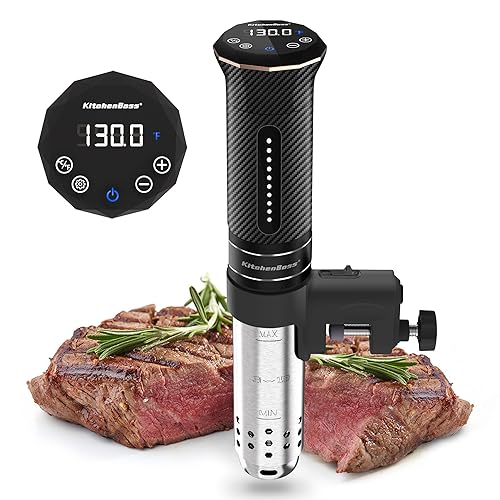
The simplicity of a sous vide cooker belies its powerful precision. Most modern sous vide cookers are immersion circulators, which look like sleek, handheld wands. You attach one of these devices to the side of a large pot or a dedicated water bath container. Once attached, the cooker draws water from the vessel, passes it over a heating element, and then circulates it back into the bath. This continuous circulation ensures that the water maintains a uniform temperature throughout, down to a fraction of a degree.
Before submerging your food, it’s typically placed in a food-safe bag and vacuum-sealed. This “under vacuum” step is crucial; it removes air, allowing for efficient heat transfer from the water to your food. Unlike traditional cooking where you might constantly monitor internal temperatures, a sous vide cooker maintains the water at your desired final internal temperature for the food. This means your steak, chicken, or vegetables will cook evenly from edge to edge, reaching perfect doneness without any risk of overcooking the exterior while waiting for the center to catch up. It’s a truly “set it and forget it” approach that delivers consistent, flawless results every time.
A Glimpse at Today’s Top Sous Vide Cookers
The market for sous vide cooker technology has boomed, offering fantastic options for every budget and skill level. Whether you’re a seasoned chef or just starting your culinary journey, there’s a perfect device waiting for you.
Many home cooks gravitate towards immersion circulators for their compact design and versatility, allowing them to use any pot they already own. Brands like Anova Culinary and Breville Joule are often at the forefront, known for their precision and user-friendly features. The Anova Precision Cooker, for instance, often comes with Wi-Fi connectivity, letting you control it from your smartphone and access a vast library of recipes. Breville Joule models are praised for their sleek aesthetics, powerful heating, and magnetic bases. For those seeking a more budget-friendly entry into the sous vide world without sacrificing quality, options like the Instant Accu Slim sous vide cooker offer excellent performance. These devices typically boast impressive wattage for faster heating and maintain incredible temperature accuracy, ensuring every dish is a success.
Beyond immersion circulators, you’ll also find water ovens, which are self-contained units resembling slow cookers. These are convenient for longer cooks as they often come with lids, reducing water evaporation. Some even offer integrated vacuum sealing. However, immersion circulators remain the most popular choice for their space-saving design and flexibility with different pot sizes.
Why You Need a Sous Vide Cooker: Unbeatable Advantages and Benefits
If you’re still on the fence about adding a sous vide cooker to your kitchen arsenal, let’s talk about the game-changing benefits it brings to the table:
- Consistent, Restaurant-Quality Results: This is the undisputed champion of sous vide benefits. Because your food cooks at an exact, controlled temperature, it’s virtually impossible to overcook. Every steak will be perfectly medium-rare, every chicken breast uniformly cooked and juicy. “The precise temperature control offered by a quality sous vide cooker transforms ordinary ingredients into extraordinary meals, consistently delivering restaurant-quality results that are simply unattainable with traditional methods,” says Chef Isabella Rossi, a renowned culinary innovator.
- Enhanced Flavor and Juiciness: When food cooks in a sealed bag, all its natural juices, marinades, and seasonings are locked in. There’s nowhere for that delicious moisture or intense flavor to escape, resulting in dishes that are incredibly succulent and bursting with taste.
- Tender Textures, Even for Tough Cuts: Sous vide is a miracle worker for tougher cuts of meat. The extended, low-temperature cooking breaks down connective tissues without drying out the protein, transforming an ordinary cut into something incredibly tender and luxurious.
- Hands-Off Convenience and Flexibility: One of the greatest perks for busy home cooks is the “set it and forget it” nature of sous vide. Once your food is in the bath, you’re free to prepare side dishes, relax, or attend to other tasks. And if dinner runs a little late? No problem! The sous vide cooker will hold your food at the perfect temperature without overcooking, giving you remarkable flexibility.
- Improved Food Safety: Precise temperature control isn’t just for texture and taste; it’s also a significant factor in food safety. By holding food at safe temperatures for specific durations, sous vide cooking can effectively pasteurize foods, reducing the risk of harmful bacteria.
- Nutrient Retention: Unlike boiling or steaming, where nutrients can leach into the cooking water, sous vide cooking keeps vitamins and minerals sealed within the food, contributing to healthier, more flavorful meals.
Choosing Your Perfect Match: Popular Types of Sous Vide Cookers
When you’re ready to dive into the world of sous vide, you’ll primarily encounter two types of sous vide cooker systems:
Immersion Circulators
What is an immersion circulator? This is the most common and versatile type of sous vide cooker, designed as a stick-like device that clips onto almost any pot or container you already own.
Why choose it? Immersion circulators are praised for their compact storage, affordability, and the flexibility to use various vessel sizes for different cooking needs. They actively circulate water for consistent heating.
Water Ovens
What is a sous vide water oven? These are self-contained units with a built-in water bath, often resembling a slow cooker.
Why choose it? Water ovens are great for long cooking times as their enclosed design typically prevents water evaporation, and they often feature straightforward controls. However, they can be bulkier and may not always circulate water as effectively as an immersion circulator, potentially leading to slight temperature variations.
While less common for home use, some advanced combi ovens also offer a “sous vide mode” using steam and precise humidity control to achieve similar results without a water bath.
Getting Started: Basic Guide to Using Your Sous Vide Cooker
Ready to embark on your first sous vide adventure? It’s simpler than you might think!
- Choose Your Vessel: Grab a large pot or a dedicated sous vide container. Ensure it’s deep enough for your food to be fully submerged and for the sous vide cooker to operate safely within its minimum and maximum water levels.
- Attach the Circulator: Secure your sous vide cooker to the side of the pot using its adjustable clamp.
- Fill and Heat: Fill the pot with water to a level that will cover your food. Set your desired cooking temperature and time on the cooker’s display or via its app. The cooker will then begin heating the water.
- Prepare and Seal Food: While the water heats, prepare your ingredients. Season your food liberally with salt, pepper, herbs, and spices. Place it in a food-safe bag (vacuum-seal bags, reusable silicone bags, or even Ziploc-style freezer bags with the water displacement method work well). Remove as much air as possible to ensure good heat transfer.
- Submerge: Once the water reaches the target temperature, gently lower your sealed food into the bath. Make sure it’s fully submerged.
- Cook and Finish: Let your sous vide cooker do its magic for the recommended time. When cooking is complete, remove the food from the bag. For meats and poultry, a quick sear in a hot pan or on a grill is highly recommended to develop a delicious crust and enhance flavor. For vegetables, a final sauté or roast can add texture.
Elevate Your Cooking: Tips and Recipes with Your Sous Vide Cooker
The versatility of a sous vide cooker opens up a world of culinary possibilities. Here are some ideas to get you started:
- Perfect Steak: For a flawless medium-rare, try 130°F (54.5°C) for 1-3 hours. Finish with a blazing hot sear for that irresistible crust.
- Juicy Chicken Breast: Say goodbye to dry chicken! Cook boneless, skinless chicken breast at 145°F (63°C) for 1-2 hours for incredibly tender and juicy results.
- Foolproof Eggs: Achieve various consistencies, from runny yolks to jammy or firm, by adjusting temperature. A classic soft-boiled style can be made at 145°F (63°C) for about 45 minutes.
- Tender Vegetables: Sous vide transforms tough vegetables like carrots or asparagus into tender, vibrant sides without losing their bite. Try 183°F (84°C) for 45 minutes to an hour.
- Meal Prep Powerhouse: Cook proteins like chicken or pork in advance, chill them, and then quickly reheat in the water bath or finish with a sear when you’re ready to eat. This makes healthy eating incredibly convenient throughout the week.
- Don’t Forget the Sear! While the sous vide cooker perfects the interior, a quick, high-heat sear adds crucial texture and flavor to meats. Ensure your protein is patted very dry before searing for the best results.
Keeping It Pristine: Cleaning and Maintaining Your Sous Vide Cooker
Taking care of your sous vide cooker ensures it performs flawlessly for years to come.
- Routine Cleaning: After each use, wipe down the heating coil and circulator shaft with a damp cloth to remove any residue. If there’s mineral buildup from hard water, a soft brush can help.
- Descaling: Over time, mineral deposits can accumulate on the heating element. To descale your sous vide cooker, fill a pot with water and add an equal part white vinegar (e.g., 1 gallon water, 1 gallon white vinegar). Clamp your cooker in, set the temperature to around 140°F (60°C), and let it run for 20-30 minutes. Rinse thoroughly afterward. Do this every few months, depending on your water hardness.
- Storage: Most immersion circulators are compact and can be stored easily in a drawer or cabinet. Ensure it’s completely dry before putting it away.
Frequently Asked Questions About Sous Vide Cookers
What does “sous vide” mean?
“Sous vide” is a French term that translates to “under vacuum.” It refers to the method of cooking food in a sealed bag within a precisely controlled water bath.
Is sous vide cooking safe?
Yes, when done correctly, sous vide cooking is very safe. The precise temperature control ensures that food reaches and maintains a safe internal temperature, minimizing the risk of foodborne pathogens. Always follow recommended time and temperature guidelines.
Do I need a vacuum sealer for sous vide?
While a vacuum sealer is ideal for optimal results and convenience, it’s not strictly necessary. You can use high-quality Ziploc-style freezer bags and remove air using the water displacement method (slowly lowering the bag into water, letting the water pressure push air out before sealing).
Can I cook frozen food with a sous vide cooker?
Absolutely! One of the great advantages of a sous vide cooker is its ability to cook food directly from frozen. You’ll just need to add extra cooking time, typically about 50% more than the recommended time for thawed food.
How long can food stay in a sous vide bath?
While you have more flexibility than with traditional methods, there are limits. Proteins like steak can often be held for an additional 1-2 hours past their minimum cook time without textural degradation. For longer holds or delicate items, consult specific recipes.
What’s the best temperature for cooking steak in a sous vide cooker?
For a perfect medium-rare steak, most experts recommend a temperature of 130°F (54.5°C) to 135°F (57°C). Adjust slightly up or down for rarer or more well-done preferences.
Are sous vide cookers noisy?
Most modern immersion circulators are designed to be relatively quiet. You might hear a gentle hum from the motor circulating the water, but it’s generally not disruptive, especially compared to other kitchen appliances.
Conclusion
The sous vide cooker isn’t just another kitchen gadget; it’s a culinary game-changer that empowers you to achieve professional-level results with remarkable ease. By harnessing the power of precise temperature control, it unlocks incredible flavors, textures, and consistency that are hard to match with any other method. From perfectly tender meats and vibrant vegetables to delicate eggs and creative desserts, the possibilities are endless. If you’re looking to elevate your home cooking, reduce kitchen stress, and consistently impress your taste buds, embracing the sous vide cooker is an investment you won’t regret. So, go ahead, dive in, and start exploring the exciting world of sous vide – your taste buds will thank you!