Have you ever dreamt of cooking restaurant-quality meals right in your own kitchen? Imagine a world where every steak is perfectly medium-rare from edge to edge, every chicken breast is unbelievably juicy, and vegetables are tender-crisp with vibrant flavor. This isn’t a culinary fantasy; it’s the everyday reality enabled by the sous vide precision cooker, a game-changing tool that’s transforming how we approach home cooking. This remarkable device empowers anyone, from novice cooks to seasoned food enthusiasts, to achieve culinary perfection with surprising ease.
What Exactly is a Sous Vide Precision Cooker?
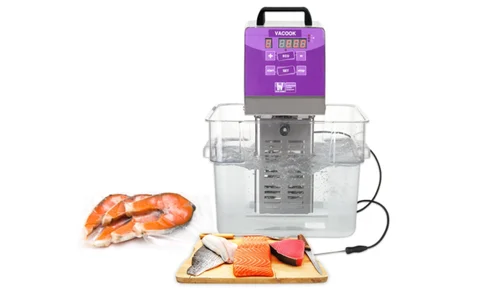
At its heart, “sous vide” (pronounced “soo-veed”) is a French term meaning “under vacuum,” referring to a cooking method where food is sealed in a bag and immersed in a precisely temperature-controlled water bath. The star of this show is the sous vide precision cooker itself, often called an immersion circulator. This sleek gadget clips onto the side of almost any pot, heating the water to an exact temperature and then continuously circulating it to ensure uniform warmth throughout the bath. This constant temperature control is the secret sauce, preventing overcooking and ensuring your food cooks evenly and gently.
For decades, this technique was the exclusive domain of professional chefs in high-end restaurants, relying on specialized and expensive equipment. However, thanks to innovations in kitchen technology, the sous vide precision cooker has become remarkably affordable and user-friendly, bringing gourmet results into the homes of everyday cooks. It’s a testament to how far culinary science has come, making sophisticated cooking techniques accessible to all.
|
Our Picks for the Best Sous Vide Cooker in 2026
As an Amazon Associate I earn from qualifying purchases.
|
||
| Num | Product | Action |
|---|---|---|
| 1 | Anova Culinary Sous Vide Precision Cooker 2.0 (WiFi), 1000 Watts |

|
| 2 | KitchenBoss WiFi Sous Vide Cooker: Ultra-quiet Sous Vide Machine Built-in TFT Color Display Recipes, 1100W Sous Vide Immersion Circulator Accurate Temp Waterproof Magnetic Knob APP Control, Silver |
|
| 3 | INKBIRD WIFI Sous Vide Cooker ISV-100W, 1000 Watts Sous Vide Machine Immersion Circulator with 14 Preset Recipes on APP & Calibration Function, Thermal Immersion, Fast-Heating with Timer |
|
| 4 | WIFI 2.4G Sous Vide Cooker 1000W Immersion Circulator with APP 14 Recipes,Alarm,Calibration & Timer, 3D Water Fast Heating Ultra-Quiet Sous Vide Machine |
|
| 5 | Anova Culinary Sous Vide Precision Cooker Nano 2.0 |
|
| 6 | 2.4G WIFI Sous Vide Cooker INKBIRD Sous Vide Machine with APP Control, 1000 Watts Immersion Circulator with APP Recipes Timer Alarm Mobile Notification, 3D Water Fast Heating Ultra-Quiet |
|
| 7 | Anova Culinary Sous Vide Precision Cooker 3.0 (WiFi), 1100 Watts |
|
| 8 | Sous Vide Machine Cooker, Immersion Circulator with Recipe, 1000W, Delay Start Function, Temp and Time Digital Display Control |
|
| 9 | Sous Vide Machines, Sous Vide Cooker, 1000 Watts Immersion Circulators with Recipe, Accurate Temperature and Time Control |
|
| 10 | Anova Culinary Sous Vide Precision Cooker Pro, 1200 Watts, Black and Silver |
|
Why You’ll Fall in Love with Your Sous Vide Precision Cooker
Once you experience the magic of a sous vide precision cooker, there’s no going back. The benefits extend far beyond just perfectly cooked food, touching on convenience, health, and even your grocery budget.
Consistent, Perfect Results Every Time
Let’s face it, traditional cooking methods like grilling or pan-frying involve a delicate dance with heat, often leading to food that’s overcooked on the outside and undercooked in the middle. With a sous vide precision cooker, that guesswork vanishes. Because the water bath holds food at its target internal temperature, your food simply can’t exceed that temperature. This means your steak will be a perfect medium-rare from one edge to the other, your fish flaky and moist, and your chicken breast consistently tender. This “set it and forget it” aspect ensures predictable excellence, taking the stress out of important meals.
Unbelievable Flavor and Moisture Retention
One of the most remarkable aspects of cooking with a sous vide precision cooker is how it locks in flavor and moisture. When food is sealed in a bag and cooked in a water bath, its natural juices and aromatics have nowhere to escape. This creates an incredibly flavorful and succulent result that’s difficult, if not impossible, to achieve with other methods. Imagine a pork tenderloin so juicy it practically melts in your mouth, or vegetables bursting with their inherent sweetness. The gentle, consistent heat breaks down tough connective tissues without drying out the food, delivering unparalleled tenderness.
Effortless, Hands-Off Cooking
Life gets busy, and standing over a hot stove isn’t always an option. This is where the sous vide precision cooker truly shines in terms of convenience. Once your food is in the water bath, your work is largely done. You don’t need to constantly monitor temperatures or flip ingredients. The precision cooker will maintain the ideal cooking environment, allowing you to focus on other tasks, spend time with family, or simply relax. Plus, sous vide offers incredible flexibility; if dinner is delayed by an hour or two, your food will still be perfectly cooked and waiting for you. This makes it ideal for meal prepping or entertaining, as you can prepare elements ahead of time.
Transforming Tougher Cuts
Ever wanted to enjoy the rich flavor of a chuck roast or short ribs without the long, active cooking time? A sous vide precision cooker can turn less expensive, tougher cuts of meat into incredibly tender and delicious dishes. The extended, low-temperature cooking breaks down collagen over time, transforming fibrous meats into melt-in-your-mouth masterpieces. This not only elevates your culinary repertoire but can also lead to significant savings on your grocery bill.
Healthier Meal Options
Cooking with a sous vide precision cooker often requires less added fat, oil, and salt compared to traditional methods. Because food cooks in its own juices and flavors are intensified, there’s less need for heavy seasonings or unhealthy cooking fats. Additionally, the gentle cooking process helps preserve nutrients, making it an excellent choice for those looking to prepare healthier meals and accommodate various dietary needs, from Keto to Paleo.
Diving Deeper: Types of Sous Vide Cookers
When exploring the world of sous vide, you’ll primarily encounter two main types of devices, though the “precision cooker” almost exclusively refers to one specific type.
Immersion Circulators: The Star of the Show
The sous vide precision cooker, or immersion circulator, is by far the most popular and versatile option for home cooks. These compact, wand-like devices clamp onto the side of any heat-safe pot or container you already own, making them space-efficient and adaptable. They both heat the water to your desired temperature and circulate it, ensuring every bit of your food cooks evenly. Their portability and ease of use have made them the go-to choice for bringing sous vide into the mainstream.
Water Ovens: A Brief Mention
Less common in home kitchens are “water ovens” or “countertop water baths.” These are self-contained units that resemble slow cookers, with a built-in water bath. While they heat water, many models don’t actively circulate it, which can sometimes lead to inconsistencies in temperature and, consequently, in your food’s texture. For true precision and versatility, an immersion circulator is generally recommended over a water oven.
Your First Steps: How to Use a Sous Vide Precision Cooker
Getting started with a sous vide precision cooker is surprisingly straightforward. Here’s a basic guide to get you cooking like a pro:
Setting Up Your Water Bath
- Choose Your Container: Grab a large pot or a dedicated sous vide container.
- Attach the Cooker: Clamp your sous vide precision cooker securely to the side of the container. Ensure it’s stable.
- Add Water: Fill the container with water, making sure it’s between the minimum and maximum fill lines on your cooker. Cold or lukewarm water is fine; your cooker will heat it.
- Set Temperature: Turn on your precision cooker and set it to your desired cooking temperature. Consult a reliable sous vide guide for specific temperatures based on your food and desired doneness (e.g., 130°F for medium-rare steak, 145°F for moist chicken breast).
Sealing Your Food
The “under vacuum” part is crucial for efficient heat transfer and locking in juices.
- Season Your Food: Season your ingredients as you normally would. You can add herbs, spices, or marinades to the bag for extra flavor.
- Bag It Up: Place your food in a high-quality, food-safe plastic bag. Zipper-lock freezer bags work well for most home cooks.
- Remove Air:
- Vacuum Sealer: The most effective method is using a vacuum sealer to remove all air and create a tight seal.
- Water Displacement Method: If you don’t have a vacuum sealer, place your food in a zipper-lock bag, leaving a small corner open. Slowly lower the bag into the water bath, allowing the water pressure to force the air out around the food. Once almost all the air is out, seal the remaining corner of the bag.
Temperature and Time Essentials
Once sealed, gently place your food bag into the preheated water bath.
- Doneness is About Temperature: The beauty of sous vide is that the final internal temperature of your food is dictated by the water bath’s temperature. Once your food reaches that temperature, it won’t cook further, eliminating the risk of overcooking in terms of doneness.
- Time for Tenderization and Safety: While doneness is temperature-dependent, cooking time is still important. It ensures the food reaches its target temperature thoroughly and, for certain foods, pasteurizes it for safety. For tougher cuts, extended cooking times (many hours, or even days) are needed to tenderize the meat. Delicate foods like fish or eggs require shorter, more precise times to prevent textural degradation.
The Crucial Finishing Sear
While your sous vide precision cooker delivers unparalleled internal cooking, it doesn’t create the crispy, browned crust we often crave. This is where the “finishing sear” comes in.
- Remove and Dry: Once cooking is complete, remove the food from the bag and pat it thoroughly dry with paper towels. This is vital for a good sear.
- Sear It: Sear your food quickly in a screaming-hot pan (cast iron is excellent), on a grill, or even with a kitchen torch. Aim for just 1-2 minutes per side, enough to create a delicious crust without cooking the interior further. This step adds incredible flavor and texture.
Unleash Your Inner Chef: Tips and Recipes with Your Precision Cooker
Your sous vide precision cooker opens up a world of culinary possibilities. Here are some tips and popular ideas to get you started:
Essential Sous Vide Tips
- Don’t Overcrowd: Ensure there’s enough space in your water bath for the water to circulate freely around the food bags. This guarantees even cooking.
- Cover Up: For longer cooks, cover your water bath with a lid or plastic wrap. This reduces water evaporation and helps maintain a consistent temperature, preventing your precision cooker from working overtime.
- Pat Dry Before Searing: We can’t stress this enough! Moisture is the enemy of a good sear. A dry surface browns beautifully.
- Experiment: Don’t be afraid to try new things! Sous vide is a forgiving method, allowing you to experiment with different temperatures, times, and seasonings.
Popular Recipes to Master
- Perfect Steak: This is often the gateway to sous vide. Cook a thick-cut steak at 130°F (54°C) for medium-rare, then sear. The results are truly transformative.
- Juicy Chicken Breast: Say goodbye to dry, bland chicken. Cook at 145°F (63°C) for incredibly moist and tender results, then a quick sear for a golden exterior.
- Flaky Salmon: Delicate fish like salmon benefits immensely from precision cooking. Try 122°F (50°C) for a tender, flaky texture.
- Creamy Eggs: Sous vide can make perfect soft-boiled, poached, or even custard-like eggs. Experiment with temperatures like 145°F (63°C) for soft-boiled.
- Tender Vegetables: Carrots, asparagus, and potatoes become beautifully tender-crisp. Try asparagus at 185°F (85°C) for 15-20 minutes.
“The beauty of a sous vide precision cooker isn’t just about achieving perfect doneness, it’s about unlocking flavors and textures you never thought possible in your home kitchen,” says Chef Isabella Rossi, a celebrated culinary instructor, highlighting the transformative power of this technique for home cooks.
Keeping It Clean: Care and Maintenance for Your Sous Vide Precision Cooker
Maintaining your sous vide precision cooker is as simple as using it. Most modern immersion circulators are designed for easy cleaning and durability.
- Simple Rinse: After each use, simply remove the cooker from the pot, drain the water, and give the heating element a quick rinse.
- Removable Skirt: Many models feature a removable stainless steel skirt or cover over the heating coil. You can easily detach this and wash it by hand with dish soap or even place it in the dishwasher.
- Descaling: Over time, especially if you have hard water, mineral deposits might build up on the heating element. To descale, simply run the precision cooker in a water bath with a mixture of equal parts white vinegar and water for about 30 minutes at 140°F (60°C). This will dissolve any mineral residue.
- Proper Storage: Store your sous vide precision cooker in a dry place. Its compact size means it won’t take up much precious counter or cabinet space.
Frequently Asked Questions About Sous Vide Precision Cookers
Curious about specific aspects of sous vide cooking? Here are some common questions answered:
Q: Can I really not overcook food with a sous vide precision cooker?
A: In terms of doneness, absolutely! Because the water bath is held at a precise target temperature, your food will only reach that temperature and won’t cook beyond it, even if left in for a bit longer than the recommended time. However, leaving food in for excessively long periods (many, many hours past its optimal window) can eventually affect its texture, making it too mushy, especially for delicate items.
Q: Do I need a vacuum sealer for sous vide cooking?
A: While a vacuum sealer offers the best results for removing air and creating a tight seal, it’s not strictly necessary for beginners. The “water displacement method” using high-quality zipper-lock freezer bags works wonderfully for most home cooking needs.
Q: What kind of pot or container can I use?
A: Almost any large, heat-safe pot or container you have in your kitchen will work with an immersion circulator. Stainless steel stockpots, large plastic food-grade containers, or even insulated coolers are popular choices. Just ensure it’s deep enough for the immersion circulator and holds enough water to fully submerge your food.
Q: Is sous vide cooking safe?
A: Yes, sous vide cooking is very safe when proper guidelines are followed. The precise temperature control ensures food reaches and maintains temperatures that are safe for consumption, often providing pasteurization benefits at lower temperatures over longer periods. Always adhere to recommended time and temperature charts for food safety, especially with poultry and ground meats, and ensure food is cooled quickly if not consumed immediately.
Q: Can I cook frozen food with my sous vide precision cooker?
A: Absolutely! One of the fantastic conveniences of sous vide is that you can cook food directly from frozen. You’ll just need to add extra cooking time – typically about 50% more than the recipe for thawed food – to allow the food to reach the target temperature.
Q: What’s the biggest mistake beginners make with sous vide?
A: One common mistake is not fully removing air from the bag, which can lead to uneven cooking. Another is forgetting the crucial searing step, which adds vital texture and flavor that sous vide alone doesn’t provide. Patience is also key, as some sous vide recipes require longer cooking times than traditional methods.
The Bottom Line: Embrace the Precision Cooking Revolution
The sous vide precision cooker is more than just another kitchen gadget; it’s a culinary revolution for the home. It takes the guesswork out of cooking, consistently delivering tender, juicy, and perfectly cooked food with incredible flavor. From mastering a flawless steak to transforming everyday chicken and vegetables, this method empowers you to cook with confidence and creativity. Its hands-off nature, health benefits, and ability to elevate even the simplest ingredients make it an invaluable tool for any food lover. So, why not dive in? Embrace the precision cooking revolution and discover a new world of delicious possibilities right in your own kitchen.