Imagine cooking every meal to absolute perfection, where your steak is flawlessly medium-rare from edge to edge, your chicken breast is unbelievably juicy, and your vegetables are tender-crisp every single time. This isn’t a culinary dream reserved for Michelin-star chefs; it’s the everyday reality enabled by the sous vide water cooker. This incredible kitchen tool promises unparalleled precision, transforming your cooking experience and unlocking a new realm of flavors and textures you might not have thought possible in your home kitchen.
|
Our Picks for the Best Sous Vide Cooker in 2026
As an Amazon Associate I earn from qualifying purchases.
|
||
| Num | Product | Action |
|---|---|---|
| 1 | Anova Culinary Sous Vide Precision Cooker 3.0 (WiFi), 1100 Watts |

|
| 2 | Anova Culinary Sous Vide Precision Cooker 2.0 (WiFi), 1000 Watts |
|
| 3 | INKBIRD WIFI Sous Vide Cooker ISV-100W, 1000 Watts Sous Vide Machine Immersion Circulator with 14 Preset Recipes on APP & Calibration Function, Thermal Immersion, Fast-Heating with Timer |
|
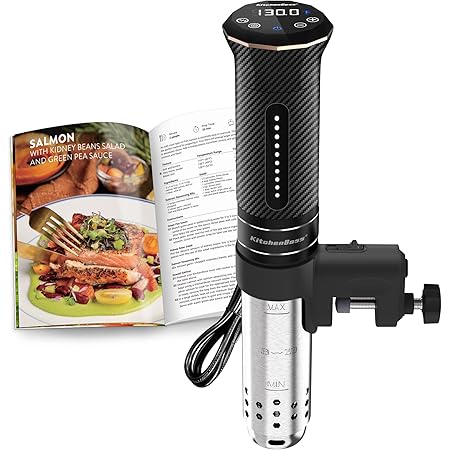
| 4 | KitchenBoss WiFi Sous Vide Cooker: Ultra-quiet Sous Vide Machine Built-in TFT Color Display Recipes, 1100W Sous Vide Immersion Circulator Accurate Temp Waterproof Magnetic Knob APP Control, Silver |
|
| 5 | Anova Culinary Sous Vide Precision Cooker Pro, 1200 Watts, Black and Silver |
|
| 6 | 2.4G WIFI Sous Vide Cooker INKBIRD Sous Vide Machine with APP Control, 1000 Watts Immersion Circulator with APP Recipes Timer Alarm Mobile Notification, 3D Water Fast Heating Ultra-Quiet |
|
| 7 | Sous Vide Machine Cooker, Immersion Circulator with Recipe, 1000W, Delay Start Function, Temp and Time Digital Display Control |
|
| 8 | Sous Vide Machines, Sous Vide Cooker, 1000 Watts Immersion Circulators with Recipe, Accurate Temperature and Time Control |
|
| 9 | WIFI 2.4G Sous Vide Cooker 1000W Immersion Circulator with APP 14 Recipes,Alarm,Calibration & Timer, 3D Water Fast Heating Ultra-Quiet Sous Vide Machine |
|
| 10 | Anova Culinary Sous Vide Precision Cooker Nano 2.0 |
|
What Exactly is a Sous Vide Water Cooker?
At its heart, a sous vide water cooker is a device designed to bring culinary precision right into your home. The term “sous vide” itself is French for “under vacuum,” traditionally referring to the method of vacuum-sealing food in a bag before cooking. However, the true magic of a sous vide water cooker lies not just in the vacuum seal, but in its ability to maintain a precisely controlled water bath at a constant temperature.
Historically, the concept of low-temperature cooking dates back to the late 18th century with Benjamin Thompson, Count Rumford. Yet, it was French chef Georges Pralus in the 1970s who truly refined the modern sous vide technique, observing its remarkable ability to improve the texture and minimize shrinkage of delicate foods like foie gras.
Today, the most common type of sous vide water cooker is an immersion circulator. This sleek, stick-shaped device clamps onto the side of any pot or container you already own, heating the water and circulating it to ensure an even temperature throughout. It acts as a heater, a thermometer, and a pump all in one, meticulously maintaining your desired temperature to the degree. This ingenious design means your food cooks gently and uniformly, avoiding the pitfalls of traditional cooking methods that often result in overcooked exteriors and undercooked centers.
The Unbeatable Advantages of Using a Sous Vide Water Cooker
Why should you invite a sous vide water cooker into your kitchen? The benefits are abundant and truly revolutionize how you approach cooking:
- Consistent, Perfect Results Every Time: This is arguably the biggest selling point. With precise temperature control, your food cooks exactly as you intend, every single time. Say goodbye to guesswork and hello to predictable perfection, from a medium-rare steak to perfectly poached eggs.
- Enhanced Flavor and Moisture Retention: When food cooks in a sealed bag within a water bath, all its natural juices and flavors are locked in. Unlike conventional cooking methods where moisture can escape, sous vide creates a humid, self-braising environment that concentrates flavor and ensures your food remains incredibly moist and tender.
- Tenderizes Cheaper Cuts of Meat: One of the most exciting aspects for any home cook is the ability of a sous vide water cooker to transform tough, inexpensive cuts of meat into melt-in-your-mouth masterpieces. The long, low-temperature cooking breaks down connective tissues without drying out the meat, making cuts like chuck roast or pork shoulder taste like prime cuts.
- Hands-Off Cooking and Flexibility: Once you’ve set your sous vide water cooker, it largely takes care of itself. You don’t need to stand over a hot stove, constantly monitoring. This frees up your time to prepare side dishes, entertain guests, or simply relax. Plus, because food can’t overcook beyond the set water bath temperature, you have a generous “window” of time, offering incredible flexibility, especially when entertaining.
- Healthier Cooking: Sous vide cooking often requires less added oil, fat, and salt compared to traditional methods. By preserving nutrients and natural flavors, it encourages a healthier approach to meal preparation without sacrificing taste.
- Meal Prep Made Easy: The ability to cook food perfectly and then safely store it makes the sous vide water cooker a meal prep champion. Cook proteins in batches, chill them, and then quickly reheat in the water bath or sear just before serving for fresh, delicious meals throughout the week. “The sous vide water cooker isn’t just a gadget; it’s a game-changer that empowers home cooks to achieve restaurant-quality results with effortless precision, turning every meal into a masterpiece,” observes Chef Julian Vance, a renowned culinary consultant.
Types of Sous Vide Water Cookers: Finding Your Perfect Match
While the “immersion circulator” dominates the home market, it’s worth knowing the landscape of sous vide water cooker options:
Immersion Circulators
These are the most popular and versatile choice for home cooks. They are compact, easy to store, and attach to virtually any pot or container you already own, making them an excellent space-saving option. Brands like Anova and Breville Joule are leading the pack, offering models with various wattages, connectivity options (Bluetooth, Wi-Fi), and user-friendly controls. When choosing one, consider wattage (higher wattage heats water faster), precise temperature control, and whether you prefer app control or on-device displays.
Sous Vide Water Ovens
Less common for home use, these are self-contained units that resemble slow cookers, with a built-in water bath and often a lid to prevent evaporation during long cooks. While they offer an all-in-one solution, they tend to be bulkier and take up more counter space. They are typically favored in professional settings or for those who plan to cook very large batches frequently.
Getting Started: A Basic Guide to Your Sous Vide Water Cooker
Embracing sous vide cooking is simpler than you might think. Here’s a basic roadmap to get you started:
1. Gather Your Equipment
You’ll need your sous vide water cooker (immersion circulator), a large pot or dedicated sous vide container, and food-grade bags. While a vacuum sealer is ideal for perfectly air-free bags, simple zip-top freezer bags can work effectively by using the water displacement method: slowly submerge the bag with food into the water bath, letting the water pressure push out the air before sealing.
2. Prepare Your Food
Season your protein, vegetables, or fruit as desired. Herbs, spices, and a little fat (like butter or olive oil) can be added directly to the bag to infuse flavor as it cooks.
3. Seal It Up
Place your food in the bag and remove as much air as possible. For zip-top bags, slowly lower the bag into the water bath, leaving a small corner of the seal open, allowing the water pressure to force the air out before sealing the last bit.
4. Set Temperature and Time
Attach your sous vide water cooker to your pot, fill the pot with water, and set your desired temperature and cooking time. The cooker will quickly heat the water and maintain it precisely. Once the water reaches temperature, gently place your sealed food into the bath.
5. The Finishing Touch
For many foods, especially proteins like steak or chicken, a quick sear in a hot pan or on a grill after the sous vide bath is essential. This creates that delicious, crispy crust and appealing color that sous vide alone cannot achieve.
Sous Vide Masterclass: Tips and Recipes to Elevate Your Cooking
The versatility of the sous vide water cooker extends far beyond just steak. Here are some tips and popular applications:
Essential Temperature Guide (Approximate)
- Steak (Medium-Rare): 129-132°F (54-55.5°C) for 1-4 hours (depending on thickness).
- Chicken Breast: 140-145°F (60-63°C) for 1-2 hours.
- Salmon: 125-130°F (51.5-54.5°C) for 30-45 minutes.
- Eggs (Soft-Boiled Texture): 140-145°F (60-63°C) for 45-60 minutes.
- Root Vegetables (Carrots, Potatoes): 183-185°F (84-85°C) for 1-2 hours.
Creative Recipe Ideas
- Perfectly Poached Eggs: Achieve custardy yolks and tender whites every time.
- Infused Oils & Spirits: Gently heat herbs, spices, or fruit with oil or alcohol for rapid infusion.
- Desserts: Make creamy custards, cheesecakes, and even crème brûlée in jars directly in the water bath.
- Batch Cook Grains: Cook grains like quinoa or farro to ideal texture without needing to watch a pot.
Troubleshooting Common Issues
- Food floating? Use a heavy ceramic plate, clips, or a rack to keep bags fully submerged for even cooking.
- Water evaporating? Cover your container with plastic wrap or a lid, especially for long cooks.
Caring for Your Sous Vide Water Cooker: Cleaning and Maintenance
Keeping your sous vide water cooker in top condition ensures its longevity and performance.
Regular Cleaning
After each use, simply wipe down the immersion circulator’s heating coil and skirt. If any food juices accidentally escape into the water bath, a thorough clean of the pot and a quick rinse of the circulator is advisable.
Descaling
Over time, mineral deposits from your tap water can build up on the heating element. To descale, run the circulator in a water bath mixed with white vinegar (half water, half vinegar) at 140°F (60°C) for about 30 minutes. Rinse thoroughly afterward.
Storage
Most immersion circulators are compact and can be stored in a drawer with your utensils or in their original box. Proper care keeps your precision tool ready for your next culinary adventure.
Frequently Asked Questions About Sous Vide Water Cookers
Here are some common questions many cooks have when exploring the world of sous vide:
Is sous vide cooking safe?
Yes, sous vide cooking is very safe when done correctly. The precise temperature control ensures food reaches safe temperatures, and for foods cooked at lower temperatures, the extended cooking time provides sufficient pasteurization. Always follow recommended temperature and time guidelines for food safety.
Do I need a vacuum sealer for sous vide?
While a vacuum sealer is ideal for removing air and extending food shelf life, it’s not strictly necessary. You can use high-quality zip-top freezer bags and the water displacement method to achieve a good seal by letting the water pressure push out the air as you submerge the bag.
Can I overcook food with a sous vide water cooker?
It’s incredibly difficult to “overcook” food in the traditional sense (like burning or drying out) with a sous vide water cooker. Since the water bath never exceeds your desired final internal temperature, your food can’t go beyond that point. However, very long cooking times for certain delicate items (like fish or some vegetables) can sometimes affect texture, making them too mushy.
What are the best foods to cook with sous vide?
Sous vide excels with proteins like steak, chicken, pork, and fish, ensuring they are cooked perfectly and remain incredibly juicy. It’s also fantastic for eggs, tenderizing tough cuts of meat, and cooking many vegetables to a precise texture.
How long can food stay in the water bath after it’s “done”?
For most proteins, food can safely remain in the water bath for an extra hour or two beyond the minimum cooking time without significant degradation in quality. This is one of the “flexibility” benefits. However, very delicate items like fish or eggs should not be held for extended periods to maintain optimal texture.
Elevate Your Culinary Journey
The sous vide water cooker is more than just a kitchen appliance; it’s an invitation to a world of consistent, delicious, and stress-free cooking. It demystifies complex culinary techniques, empowering you to achieve results that were once only possible in professional kitchens. So, why not dive in? Experiment with your favorite ingredients, discover new textures, and savor the unparalleled precision that a sous vide water cooker brings to your culinary creations. Your taste buds will thank you, and your reputation as a master home chef will soar.