In the demanding world of professional kitchens, where consistency, quality, and efficiency are paramount, the sous vide cooking method has transitioned from a culinary curiosity to an indispensable tool. At its heart lies the sous vide cooker, a device that promises unparalleled precision, allowing chefs to achieve perfect results every single time. For those running restaurants, catering businesses, or even advanced home kitchens with high volume needs, understanding the nuances of the best commercial sous vide cooker is key to unlocking its full potential. This comprehensive guide will delve into what makes these workhorses tick, why they’re a game-changer, and how to choose the right one for your culinary operations.
|
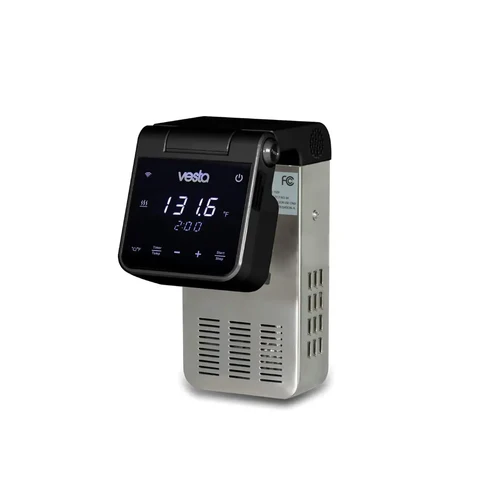
Our Picks for the Best Sous Vide Cooker in 2026
As an Amazon Associate I earn from qualifying purchases.
|
||
| Num | Product | Action |
|---|---|---|
| 1 | WIFI 2.4G Sous Vide Cooker 1000W Immersion Circulator with APP 14 Recipes,Alarm,Calibration & Timer, 3D Water Fast Heating Ultra-Quiet Sous Vide Machine |

|
| 2 | Sous Vide Machines, Sous Vide Cooker, 1000 Watts Immersion Circulators with Recipe, Accurate Temperature and Time Control |
|
| 3 | KitchenBoss WiFi Sous Vide Cooker: Ultra-quiet Sous Vide Machine Built-in TFT Color Display Recipes, 1100W Sous Vide Immersion Circulator Accurate Temp Waterproof Magnetic Knob APP Control, Silver |
|
| 4 | INKBIRD WIFI Sous Vide Cooker ISV-100W, 1000 Watts Sous Vide Machine Immersion Circulator with 14 Preset Recipes on APP & Calibration Function, Thermal Immersion, Fast-Heating with Timer |
|
| 5 | 2.4G WIFI Sous Vide Cooker INKBIRD Sous Vide Machine with APP Control, 1000 Watts Immersion Circulator with APP Recipes Timer Alarm Mobile Notification, 3D Water Fast Heating Ultra-Quiet |
|
| 6 | Sous Vide Machine Cooker, Immersion Circulator with Recipe, 1000W, Delay Start Function, Temp and Time Digital Display Control |
|
| 7 | Anova Culinary Sous Vide Precision Cooker 2.0 (WiFi), 1000 Watts |
|
| 8 | Anova Culinary Sous Vide Precision Cooker Pro, 1200 Watts, Black and Silver |
|
| 9 | Anova Culinary Sous Vide Precision Cooker 3.0 (WiFi), 1100 Watts |
|
| 10 | Anova Culinary Sous Vide Precision Cooker Nano 2.0 |
|
What is a Commercial Sous Vide Cooker?
At its core, sous vide, French for “under vacuum,” involves sealing food in a vacuum-sealed pouch and cooking it in a precisely controlled water bath. While the technique itself dates back to the mid-1970s, its widespread adoption in professional kitchens has surged thanks to advancements in sous vide cooker technology. A commercial sous vide cooker isn’t just a bigger version of its home counterpart; it’s engineered for the relentless pace and higher demands of a professional environment.
These robust machines deliver consistent temperature control and powerful water circulation, ensuring every piece of food in the bath cooks uniformly to the exact desired doneness. Unlike home models that might run for a few hours, commercial units are built for continuous, heavy-duty operation, often for days on end, without compromising performance or safety. They are the silent workhorses behind perfectly cooked proteins, vibrant vegetables, and impossibly tender custards, transforming how kitchens manage prep and service.
Key Considerations for Your Commercial Kitchen
Choosing the best commercial sous vide cooker means looking beyond basic functionality. You need a machine that stands up to constant use, integrates seamlessly into your workflow, and consistently delivers outstanding results. Here’s what to keep in mind:
Power and Heating Efficiency
A commercial kitchen demands speed. High wattage, typically 1000 watts or more, is crucial for quickly heating large volumes of water and maintaining that temperature even when cold food is introduced. Powerful heating elements ensure minimal recovery time, keeping your kitchen running smoothly during peak hours. Look for models like the PolyScience Sous Vide Professional or VacMaster units, which often boast superior wattage for rapid temperature attainment.
Circulation and Temperature Uniformity
The immersion circulator is the engine of your sous vide setup. A strong flow rate, measured in liters per minute (LPM), is vital for ensuring every corner of your water bath maintains a consistent temperature. Poor circulation leads to hot and cold spots, which can result in unevenly cooked food—a cardinal sin in a professional setting. The best commercial sous vide cooker will have a robust pump capable of circulating water efficiently in large containers, preventing temperature stratification.
Capacity and Volume
Consider the maximum volume of water your sous vide cooker can effectively heat and circulate. Commercial operations often require larger containers, sometimes 20 liters (5 gallons) or more, to accommodate batch cooking or larger cuts of meat. Ensure the unit you choose is rated for the container size you intend to use to guarantee optimal performance. Some units, like certain PolyScience HydroPro models, are explicitly designed for substantial water volumes.
Durability and Build Quality
In a bustling kitchen, equipment takes a beating. Commercial sous vide cookers are typically constructed with high-grade materials like stainless steel components, making them resistant to corrosion, impact, and general wear and tear. Look for sturdy clamps that securely attach to various bath containers and overall construction that signals longevity. Devices like the Anova Precision Cooker Pro or VacMaster SV5 are examples of models built with a focus on durability for demanding environments.
Control and User Interface
While some advanced home units boast extensive app connectivity, commercial cookers often prioritize robust, intuitive onboard controls. Precision is key, so clear digital displays and easy-to-use temperature and timer settings are essential. For certain operations, HACCP (Hazard Analysis and Critical Control Points) reporting capabilities might also be a crucial feature, allowing for detailed logging of cooking parameters for food safety compliance.
Safety Features
Safety cannot be overlooked. Features like low-water alarms that alert you if the water level drops too far, and automatic shut-off mechanisms, are critical for preventing damage to the unit and ensuring food safety. Overheat protection is also a must-have for continuous operation.
Ease of Cleaning and Maintenance
A busy kitchen means quick turnaround. Choose a sous vide cooker that is easy to disassemble for cleaning, with minimal nooks and crannies where food particles or mineral deposits can accumulate. Regular descaling will also be part of your routine to maintain efficiency and extend the life of your equipment.
Advantages and Benefits of Commercial Sous Vide Cookers
Integrating a commercial sous vide cooker into your kitchen workflow offers a multitude of advantages:
- Consistent, Perfect Results: Say goodbye to overcooked dry chicken or unevenly done steaks. Sous vide delivers precise doneness from edge to edge, every time.
- Reduced Food Waste: Precise temperature control minimizes shrinkage and eliminates spoilage from inconsistent cooking, leading to better yield and cost savings.
- Enhanced Flavor and Texture: The gentle, even cooking process preserves natural juices and flavors, often resulting in incredibly tender meats and vibrant vegetables.
- Batch Cooking and Meal Prep Efficiency: Cook large quantities of proteins in advance, chill them, and re-therm them to order, streamlining service and reducing pressure during peak hours.
- Space Utilization: By cooking off-peak, you free up valuable grill or oven space during service.
- Food Safety: Precise temperature control allows for accurate pasteurization, meeting strict food safety standards, especially for delicate items.
Popular Types and Top Picks for Commercial Use
When exploring the market for the best commercial sous vide cooker, you’ll primarily encounter immersion circulators. These are compact, powerful devices that clip onto the side of any suitable water bath container.
- PolyScience Sous Vide Professional / HydroPro Series: Often considered the industry standard, PolyScience units (like the SVC-AC1B or HydroPro Plus) are renowned for their robust build, exceptional precision, and high power. They are designed for continuous, high-volume use and frequently include advanced features like programmable settings and precise temperature stability.
- VacMaster SV Series: VacMaster offers strong contenders like the SV1 and SV5, built with commercial durability in mind. These units typically feature high wattage and strong circulation, making them reliable choices for demanding kitchen environments where performance and longevity are prioritized.
- Anova Precision Cooker Pro: While Anova is well-known for home units, their Pro model steps up to the challenge with 1200 watts of power, a high flow rate, and a more durable design. It bridges the gap for serious home chefs or smaller commercial operations needing a reliable, high-performing immersion circulator.
How to Effectively Use Your Commercial Sous Vide Cooker (Basic Guide)
Using a commercial sous vide cooker is straightforward, but precision is key:
- Set Up Your Water Bath: Choose a sturdy container (food-grade plastic, stainless steel, or specialized sous vide bath) and fill it with water. Clip your immersion circulator securely to the side.
- Set Temperature and Time: Power on your unit and set the desired temperature and cooking time according to your recipe and food safety guidelines. The machine will then bring the water to temperature.
- Prepare and Seal Food: Season your food, place it in a high-quality, heat-safe vacuum-sealable bag, and remove all air using a vacuum sealer. Proper sealing is critical to prevent water from entering the bag and ensuring efficient heat transfer.
- Immerse and Cook: Gently lower the sealed bags into the preheated water bath. Ensure the food is fully submerged, using weights if necessary. Avoid overcrowding the bath to maintain optimal circulation.
- Finish Your Dish: Once cooked, remove the food from the bath. For proteins, a quick sear in a hot pan or on a grill will create a delicious crust. Vegetables can be served as is or lightly sautéed.
Tips and Recipes for Commercial Sous Vide
The versatility of a commercial sous vide cooker is immense:
- Batch Cooking Proteins: Prepare dozens of chicken breasts, steaks, or pork tenderloins to precise doneness, then chill them for rapid finishing during service. This is a huge time-saver!
- Perfectly Tender Vegetables: Cook root vegetables like carrots or potatoes to a tender-crisp texture that can be quickly sautéed or roasted to order.
- Infusions and Custards: Use sous vide for delicate infusions (oils, spirits) or for making perfectly smooth custards, crème brûlée, or even ricotta cheese.
- Confits: Traditional confits (like duck confit) can be made with incredible consistency and less fuss.
“Using a commercial sous vide cooker isn’t just about cooking food; it’s about cooking smarter,” advises Chef Eleanor Vance, a seasoned culinary director. “The ability to perfectly cook hundreds of portions to an exact standard, consistently, is invaluable. It frees up your skilled labor for creative finishing, not basic temperature management.”
Cleaning and Maintenance for Longevity
Regular cleaning and maintenance are vital for maximizing the lifespan and performance of your best commercial sous vide cooker:
- Daily Wipe-Down: After each use, wipe down the exterior and the heating coil/circulator components to prevent residue buildup.
- Regular Descaling: Mineral deposits from tap water can build up on the heating element over time, reducing efficiency. Descalke your unit regularly (depending on water hardness and usage) using a vinegar solution or a commercial descaling agent. Follow the manufacturer’s instructions.
- Proper Storage: Store your sous vide cooker in a clean, dry place to prevent damage and maintain hygiene.
Frequently Asked Questions (FAQ)
What’s the main difference between home and commercial sous vide cookers?
Commercial sous vide cookers are built for durability, higher power output (1000W+), larger water volume capacity, and continuous, heavy-duty operation. They often prioritize ruggedness and precise temperature control over smart features found in many home units.
How much wattage do I need for a commercial unit?
For commercial use, aim for a sous vide cooker with at least 1000 watts of power, and preferably 1200 watts or more, to ensure rapid heating of large water baths and quick temperature recovery when cooking large quantities of food.
Can I use any container with a commercial sous vide immersion circulator?
Most commercial immersion circulators are designed to clip onto a variety of large, sturdy containers, including food-grade plastic cambros, stockpots, or dedicated sous vide water baths. Ensure the container can withstand prolonged heat and is deep enough for the immersion circulator.
Is sous vide safe for commercial food preparation?
Yes, when used correctly, sous vide is exceptionally safe. The precise temperature control allows for accurate pasteurization, killing harmful bacteria. Adhering to HACCP guidelines and maintaining proper temperatures and times are crucial for food safety in a commercial setting.
How often should I descale my commercial sous vide cooker?
The frequency of descaling depends on how often you use the unit and the hardness of your water. In a busy commercial kitchen with hard water, descaling might be necessary weekly or bi-weekly. A good rule of thumb is to descale whenever you notice a visible mineral buildup on the heating element.
What kind of food is best for commercial sous vide?
Sous vide excels with proteins like steaks, poultry, fish, and pork, delivering incredible tenderness and consistent doneness. It’s also fantastic for cooking vegetables, eggs, custards, and even infusing oils or spirits. Its versatility makes it suitable for almost any food item requiring precise temperature control.
Are there any HACCP considerations for sous vide?
Yes, for commercial food preparation, HACCP principles are essential. This includes documenting temperatures, cooking times, and chilling processes to ensure food safety. Some advanced commercial sous vide units offer data logging capabilities to aid in HACCP compliance.
Conclusion
The best commercial sous vide cooker is more than just a piece of equipment; it’s an investment in consistency, efficiency, and culinary excellence for any professional kitchen. By understanding the critical factors like power, circulation, durability, and control, you can select a unit that not only meets but exceeds your operational demands. Embracing sous vide allows chefs to elevate their dishes, streamline their workflow, and consistently deliver perfectly cooked, incredibly flavorful food, ultimately enhancing both the dining experience and the bottom line. So, take the plunge, explore the possibilities, and unlock a new level of culinary precision.