Ever dreamt of effortlessly cooking restaurant-quality meals right in your own kitchen? That dream is closer than you think, thanks to the magic of sous vide cooking. But to truly unlock that culinary potential, you need the right tool. Finding the Best Sous Vide Cooker can feel like a quest, with so many options promising perfection. Don’t worry, we’re here to guide you through the exciting world of precision cooking and help you discover the perfect sous vide companion for your kitchen.
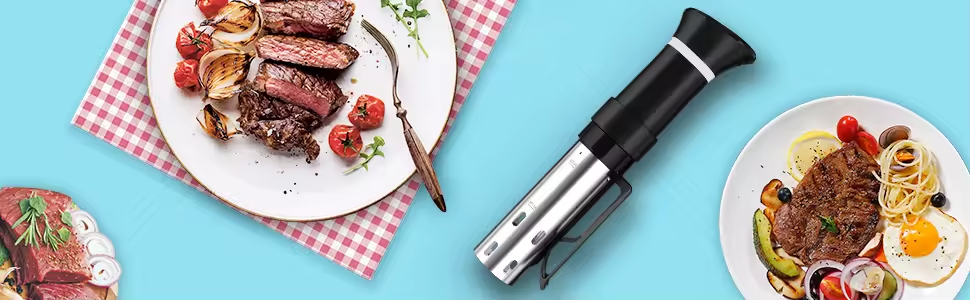
What Exactly is Sous Vide Cooking and Why Do You Need a Cooker?
At its heart, sous vide (pronounced “soo-VEED”) is a cooking method that involves submerging vacuum-sealed food in a precisely temperature-controlled water bath. It’s a technique that’s been beloved by professional chefs for decades, and now it’s more accessible than ever for home cooks.
The concept is simple yet revolutionary: by cooking food to an exact internal temperature, you achieve incredible consistency and doneness that’s nearly impossible with traditional methods. Imagine a steak cooked perfectly medium-rare from edge to edge, or chicken breasts that are unbelievably juicy every single time. That’s the power of the best sous vide cooker. It takes the guesswork out of cooking, giving you back control and confidence in the kitchen.
Unlocking Culinary Perfection: The Benefits of a Sous Vide Cooker
Why are so many home cooks, from beginners to seasoned pros, raving about sous vide? The benefits are clear and compelling:
- Unrivaled Precision and Consistency: This is the cornerstone of sous vide. Your food cooks exactly how you want it, every single time. No more overcooked edges or undercooked centers.
- Enhanced Flavor and Texture: Because food cooks in its own juices within a sealed pouch, flavors are intensified, and textures are incredibly tender and moist. Say goodbye to dry chicken or tough roasts!
- Convenience and Flexibility: Once your food is in the water bath, you’re free! There’s no constant monitoring needed. Dinner can wait for you. If it’s ready a little early, it will hold at its perfect temperature without overcooking.
- Versatility in Your Kitchen: A best sous vide cooker isn’t just for steak. It excels with chicken, fish, eggs, vegetables, desserts, and even infusing spirits. It truly broadens your culinary horizons.
- Reduced Food Waste: Precise cooking means fewer mistakes, and the ability to cook larger batches for meal prep helps you utilize ingredients more efficiently.
“Sous vide isn’t just a cooking method; it’s a culinary philosophy that empowers you to achieve results you never thought possible at home,” says Chef Julian Thorne, a proponent of modern cooking techniques. “The control it offers fundamentally changes how you approach ingredients, turning everyday meals into extraordinary experiences.”
Choosing Your Culinary Companion: Factors to Consider When Buying the Best Sous Vide Cooker
So, you’re ready to dive into sous vide, but which cooker should you choose? The market offers a fantastic range of options, each with its own strengths. Here’s what to keep in mind when hunting for the best sous vide cooker for your needs:
What’s the difference between an immersion circulator and a water oven?
Most home cooks opt for immersion circulators, which are compact devices that clip onto any pot. Water ovens, on the other hand, are self-contained units with their own heating element and reservoir. Immersion circulators are generally more affordable, versatile, and easier to store, making them the popular choice for most kitchens.
What should I look for in terms of power and heating speed?
A higher wattage generally means faster heating and better temperature recovery, especially for larger water baths. Look for models with at least 800-1000 watts. This ensures your water comes to temp quickly and stays stable, even when adding cooler food.
Is temperature accuracy truly important?
Absolutely! Precision is the name of the game with sous vide. Reputable brands are known for their temperature accuracy, usually within +/- 0.1°F. This minute difference is what guarantees that perfect texture. Don’t compromise here; it’s what makes the best sous vide cooker stand out.
Do I need Wi-Fi or Bluetooth connectivity?
Many modern sous vide cookers offer smart features, allowing you to control and monitor your cook from your smartphone. If you love technology and the convenience of starting your dinner before you even get home, a connected model might be the best sous vide cooker for you. Bluetooth is great for short-range control, while Wi-Fi offers true freedom.
How big of a cooking capacity do I need?
Consider how often you’ll be cooking for a crowd. Smaller immersion circulators can handle standard pots, while larger families or avid entertainers might appreciate a unit designed for bigger containers. Also, check the clamp design – you want it to securely fit a variety of pot thicknesses.
What about durability and ease of cleaning?
Look for robust construction, often with stainless steel components, which will stand the test of time. A user-friendly interface and easy-to-clean design are also key for long-term enjoyment. Some models even have removable skirts for quick descaling.
Is a more expensive sous vide cooker always better?
Not necessarily! While premium models often offer advanced features, greater power, and sleeker designs, many mid-range options provide excellent performance and accuracy at a more accessible price point. The “best” depends on your personal priorities and budget.
| Feature / Model | Anova Precision Cooker (e.g., Nano) | Breville PolyScience Joule | Instant Pot Accu Slim |
|---|---|---|---|
| Power (Watts) | 750W – 1000W | 1100W | 800W |
| Connectivity | Bluetooth/Wi-Fi | Bluetooth/Wi-Fi | None/Bluetooth |
| Temperature Control | Excellent | Superior | Good |
| Size / Footprint | Medium | Slim, compact | Medium, slightly bulky |
| User Interface | App-focused, digital display | App-focused, no display | Digital display |
| Clamp Style | Adjustable, sturdy | Magnetic base, sturdy clip | Adjustable |
| Key Selling Point | Versatile, great value | Sleek, powerful, accurate | Budget-friendly |
Getting Started: How to Use Your Sous Vide Cooker Like a Pro
Once you’ve got your hands on the best sous vide cooker, getting started is surprisingly simple:
- Attach the Cooker: Clamp your sous vide immersion circulator to a sturdy pot or dedicated sous vide container.
- Fill with Water: Fill the pot with water, ensuring it’s between the minimum and maximum fill lines on your device.
- Set the Temperature: Use the cooker’s controls or companion app to set your desired cooking temperature.
- Prepare Your Food: Season your food (e.g., steak, chicken, vegetables) and place it in a food-safe, heat-resistant bag. Vacuum seal it or use the water displacement method with a Ziploc bag to remove as much air as possible. Air is your enemy in sous vide, as it can cause food to float unevenly.
- Submerge: Once the water reaches temperature, carefully submerge your sealed food into the water bath. Ensure it’s fully covered.
- Cook: Let your food cook for the recommended time. Remember, with sous vide, exact temperature is crucial, while time is more forgiving (within reason).
- Finish (Optional, but Recommended!): For most meats, a quick sear in a hot pan or on the grill after the sous vide bath creates a delicious crust and enhances flavor. This step is often called “finishing” or “reverse sear.”
“The beauty of sous vide is its ‘set it and forget it’ nature,” explains culinary instructor, Sarah Jenkins. “You can focus on other aspects of your meal or even run errands, knowing your food is cooking perfectly without any risk of overcooking.”
Beyond the Basics: Tips and Recipes for Your Sous Vide Cooker
Your best sous vide cooker is capable of so much more than just steak! Here are some ideas to get your culinary creativity flowing:
- Perfect Proteins:
- Steak: 130°F (54.4°C) for 1-2 hours for a perfect medium-rare. Finish with a high-heat sear.
- Chicken Breast: 149°F (65°C) for 1-2 hours for incredibly juicy, tender chicken.
- Salmon: 125°F (51.6°C) for 45 minutes for flaky, moist fish.
- Eggs: Experiment with temperatures from 140°F (60°C) for runny yolks to 167°F (75°C) for firm.
- Vibrant Vegetables: Cook carrots, asparagus, or potatoes at 185°F (85°C) for an hour for tender-crisp results. Add herbs and butter to the bag for extra flavor.
- Decadent Desserts: Try crème brûlée in jars at 176°F (80°C) for an hour, or chocolate lava cakes for a rich, gooey treat.
- Flavor Infusions: Use your sous vide cooker to infuse oils, spirits, or simple syrups with herbs, spices, or fruit in a fraction of the traditional time.
Pro Tip: Always dry your meat thoroughly with paper towels before searing. Excess moisture will steam the meat instead of creating that beautiful, flavorful crust.
Keeping It Pristine: Cleaning and Maintaining Your Sous Vide Cooker
To ensure your best sous vide cooker continues to perform flawlessly for years, a little maintenance goes a long way:
- Daily Wipe-Down: After each use, wipe down the immersion circulator’s shaft and heating coil to remove any food residue or mineral deposits.
- Regular Descaling: Over time, minerals in your tap water can build up on the heating element. To descale, fill a pot with water, add an equal part white vinegar (e.g., 1 cup water, 1 cup vinegar), and run your sous vide cooker at around 140°F (60°C) for 20-30 minutes. This will dissolve mineral deposits. Repeat every few months or as needed, depending on your water hardness.
- Store Properly: Ensure your cooker is completely dry before storing it in a safe place, ideally in its original box or a dedicated drawer to protect it from dust and accidental damage.
Sous Vide Cooker FAQs
Is sous vide cooking safe?
Yes, sous vide is very safe when done correctly. The precise temperature control minimizes the risk of bacterial growth by holding food above the “danger zone” (40°F-140°F or 4.4°C-60°C) for adequate times. Always follow recommended food safety guidelines and proper bagging techniques.
Do I need a special vacuum sealer for sous vide?
While a vacuum sealer offers the most reliable seal and best results, it’s not strictly necessary. You can use heavy-duty Ziploc freezer bags and employ the water displacement method to remove air, which works remarkably well for many applications.
How long can food stay in the sous vide water bath?
Cooking times vary by food type. While temperature cooks the food, time tenderizes it. For most meats, once they reach their target temperature, they can typically stay in the bath for an additional 1-4 hours without negatively affecting quality, making sous vide incredibly flexible.
What’s the main difference between an immersion circulator and a water oven?
An immersion circulator is a compact device that heats and circulates water in any pot you provide. A water oven is a self-contained unit with its own insulated water bath. Immersion circulators are more popular due to their versatility, affordability, and smaller storage footprint, making them the choice for most home cooks looking for the best sous vide cooker.
Can I use regular Ziploc bags for sous vide?
Yes, standard Ziploc freezer bags (not storage bags, as they are thinner) are generally food-safe and work well with the water displacement method. Ensure they are freezer-grade for better heat resistance and durability during longer cooks.
The Journey to Culinary Mastery
Embracing sous vide cooking with the best sous vide cooker for your needs isn’t just about trying a new gadget; it’s about transforming your approach to cooking. It’s about confidence, consistency, and culinary creativity. Whether you’re aiming for perfectly tender steaks, unbelievably juicy chicken, or flawlessly cooked vegetables, sous vide delivers.
We encourage you to experiment, explore, and enjoy the incredible results your new precision cooker will bring to your table. The world of sous vide is vast and delicious, and your journey to becoming a culinary master starts now. Happy cooking!