Ever found yourself staring at your kitchen appliances, wondering if that trusty crock pot, speedy pressure cooker, or even a versatile multi-cooker could magically transform into a sous vide machine? The world of cooking gadgets can be a maze, and the phrase “Crock Pot Pressure Cooker Sous Vide” often pops up, reflecting a common desire for one-device-does-it-all convenience. But let’s cut through the confusion. While each of these methods offers unique culinary advantages, they operate on very different principles. Understanding these distinctions is key to unlocking their full potential and achieving perfect results every time.
What Exactly is Sous Vide? The Heart of Precision Cooking
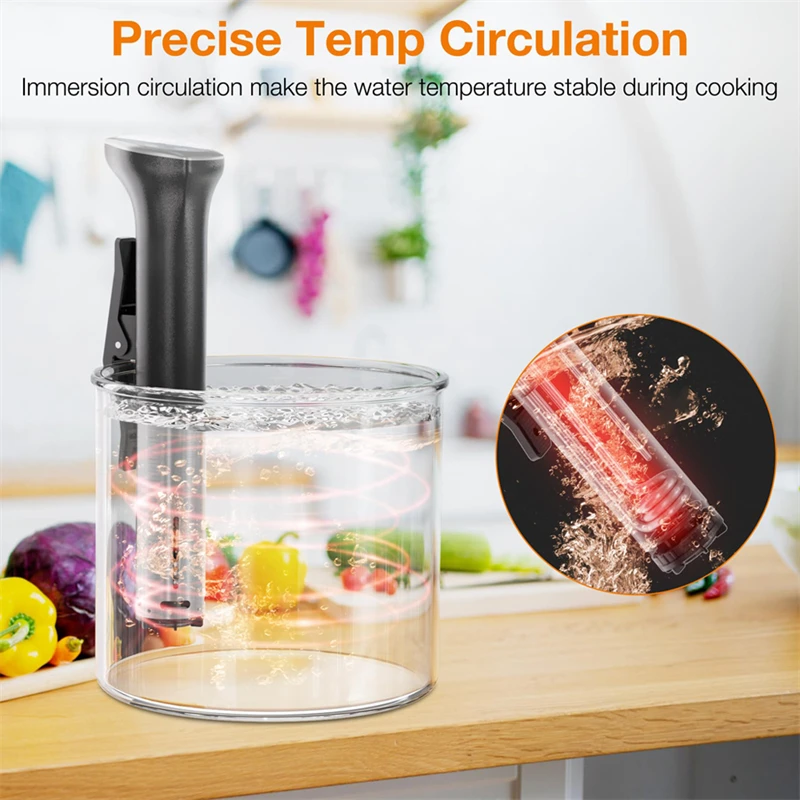
At its core, sous vide, French for “under vacuum,” is a cooking technique that champions precision and consistency. Imagine cooking your food to the exact doneness you desire, from edge to edge, without the risk of overcooking. That’s the magic of sous vide. It involves sealing food in a vacuum-sealed bag and submerging it in a precisely temperature-controlled water bath. An immersion circulator heats and maintains the water at an exact temperature, often within a single degree of accuracy, gently cooking the food over time. This method ensures unparalleled tenderness, moisture retention, and flavor development, making it a favorite for restaurant-quality steaks, delicate fish, and perfectly cooked vegetables.
Crock Pot (Slow Cooker): Your Comfort Food Companion
Think of a crock pot, or any slow cooker for that matter, as your best friend for hearty, comforting meals that practically cook themselves. This appliance uses low, consistent heat over an extended period—often several hours—to break down tough cuts of meat, meld flavors in stews, and create fall-apart tender dishes. You simply load your ingredients, usually with plenty of liquid, into the ceramic pot, set it to “low” or “high,” and let it work its magic while you go about your day. The beauty lies in its “set-it-and-forget-it” nature, perfect for busy weeknights or lazy weekends.
So, can you sous vide in a crock pot? In short, no, not effectively. While both methods involve slow cooking, the similarities end there. Traditional crock pots lack the precise temperature control essential for sous vide. Their temperature settings are broad (low, high, warm), and the internal temperature can fluctuate significantly. Sous vide demands water bath temperatures maintained to a fraction of a degree, which a slow cooker simply cannot provide. Moreover, in a crock pot, food cooks directly in liquid, whereas sous vide requires vacuum-sealed bags submerged in water, preventing flavor dilution and retaining natural juices. “Using a crock pot for sous vide is like trying to use a hammer as a screwdriver – you might make it work in a pinch, but you won’t get the precise results you need,” explains Chef Evelyn Reed, a renowned culinary consultant.
Pressure Cooker: Speed and Power in the Kitchen
On the other end of the spectrum is the pressure cooker, a speed demon in the kitchen. This appliance uses a sealed pot and steam to create a high-pressure environment, dramatically increasing the boiling point of water and accelerating cooking times. Tough cuts of meat can become fork-tender in a fraction of the time it would take in a conventional oven or slow cooker. Pressure cookers are fantastic for whipping up stews, chilis, beans, and even whole chickens when you’re short on time.
However, the high heat and pressurized environment of a pressure cooker are fundamentally at odds with the gentle, precise, and unpressurized nature of sous vide. Sous vide relies on low, stable temperatures to slowly bring food to an exact internal doneness. A pressure cooker’s rapid, high-temperature cooking would essentially overcook and drastically alter the texture of food intended for sous vide.
The Multi-Cooker Revolution: Where “Crock Pot Pressure Cooker Sous Vide” Meets Reality
In recent years, the rise of multi-cookers has blurred the lines between kitchen appliances. Brands like Instant Pot and Ninja Foodi have popularized devices that combine several functions, often including pressure cooking, slow cooking, sautéing, and steaming, into one versatile unit. Excitingly, many newer models now even feature a dedicated sous vide function.
This integration offers undeniable convenience. Imagine having one appliance that can pressure cook a hearty stew, slow cook pulled pork, and then, with a simple change of settings, precisely cook a sous vide steak. For home cooks with limited counter space or those new to sous vide, these multi-functional devices present an attractive entry point. Models like the Instant Pot Pro and certain Ninja Foodi pressure cookers have successfully incorporated sous vide capabilities, allowing users to control water temperature for this delicate cooking method.
However, it’s important to set expectations. While these multi-cookers can perform sous vide, their precision and performance may not always match that of a dedicated immersion circulator. Many reviews suggest that multi-cookers, lacking a dedicated water circulation system, can sometimes exhibit temperature fluctuations or take longer to reach the target temperature compared to standalone sous vide devices. As Dr. Adrian Finch, a food science researcher, notes, “While multi-cookers offer incredible versatility, true sous vide perfection often comes down to minute temperature stability and consistent water circulation. Integrated functions are good, but dedicated tools still typically lead the pack for ultimate precision.” For casual use or experimenting, they’re fantastic, but serious sous vide enthusiasts might still find themselves gravitating towards a specialized circulator for optimal results.
Dedicated Sous Vide Cookers: Unrivaled Precision for Culinary Perfection
For those who demand uncompromising accuracy and consistently perfect results, a dedicated sous vide cooker (often an immersion circulator) remains the gold standard. These compact devices clip onto almost any pot or container, heat the water, and, crucially, circulate it continuously. This active circulation ensures uniform temperature throughout the water bath, eliminating hot and cold spots that can affect cooking consistency in non-circulating systems.
Benefits of a Dedicated Immersion Circulator:
- Pinpoint Accuracy: Maintains water temperature within a fraction of a degree, crucial for delicate items and achieving specific doneness levels.
- Even Cooking: Constant water circulation ensures every part of the food cooks identically.
- Versatility: Can be used with various container sizes, from small pots to large coolers for batch cooking.
- Compact Storage: Many models are sleek and easy to store.
If you’re serious about mastering sous vide, regularly cook expensive cuts of meat or delicate seafood, or simply value the highest level of precision, investing in a standalone immersion circulator is highly recommended.
Using Your Multi-Cooker’s Sous Vide Function: Tips for Success
If your multi-cooker boasts a sous vide setting, you can certainly put it to good use. Here are some tips to help you get the best results:
- Preheat Effectively: Start with hot tap water if your recipe calls for higher temperatures. This can significantly speed up the heating process.
- Verify Temperature: While your multi-cooker’s display shows the set temperature, consider using an external, accurate thermometer to check the water temperature in different areas of the pot. This helps you understand any potential variations.
- Ensure Full Submersion: Always make sure your vacuum-sealed food bags are fully submerged in the water. Use a rack or weights to keep them from floating.
- Embrace the Water Displacement Method: If you don’t have a vacuum sealer, you can use the water displacement method with good quality, freezer-safe zipper-top bags. Slowly lower the bag (with food inside) into the water bath, allowing the water pressure to push out the air before sealing.
- Finish with a Sear: Sous vide cooks food to perfection internally, but it doesn’t create that desirable golden-brown crust. Always finish your sous vide items with a quick sear in a hot pan, on a grill, or even under a broiler to develop flavor and texture.
Cleaning and Maintenance for Your Sous Vide Tools
Proper care extends the life of your appliances and ensures food safety.
- Immersion Circulators: After each use, wipe down the heating coil and shaft. For mineral buildup (from hard water), descale by running the circulator in a water bath with equal parts white vinegar and water for 30 minutes.
- Multi-Cooker Pots: The inner pot is usually dishwasher-safe or easily cleaned by hand with warm, soapy water. Ensure the exterior housing is wiped clean with a damp cloth, avoiding getting water into electronic components.
- Vacuum Sealer/Bags: Clean your vacuum sealer regularly, especially the drip tray. Always use food-grade, BPA-free vacuum bags or freezer-safe zipper bags.
FAQ: Your “Crock Pot Pressure Cooker Sous Vide” Questions Answered
Q: Can I use my Crock Pot for sous vide?
A: No, a traditional crock pot (slow cooker) is not suitable for sous vide. It lacks the precise temperature control and water circulation necessary for the technique, leading to inconsistent and potentially unsafe cooking results.
Q: Is an Instant Pot sous vide function as good as a standalone immersion circulator?
A: While many Instant Pot models offer a sous vide function for convenience, they typically don’t match the precision and consistent temperature maintenance of a dedicated immersion circulator, primarily due to the lack of active water circulation. They are a good entry point for beginners, but serious enthusiasts may prefer a standalone device.
Q: What foods are best for multi-cooker sous vide?
A: You can sous vide many foods in a multi-cooker, including steak, chicken breasts, pork chops, eggs, and firm vegetables. For best results, use recipes specifically developed for sous vide and consider foods that benefit from precise temperature control.
Q: Do I need special bags for sous vide?
A: Yes, you need food-grade, heat-safe bags. Vacuum-sealable bags are ideal. Alternatively, you can use high-quality, freezer-safe zipper-top bags with the water displacement method to remove air.
Q: How do I sear food after sous vide cooking in a multi-cooker?
A: After removing your food from the sous vide bath, pat it thoroughly dry. You can then use the sauté function on your multi-cooker, a separate hot pan, or a grill to quickly sear the food for a delicious crust.
Conclusion
The journey through the culinary landscape of crock pots, pressure cookers, and sous vide reveals that each appliance and method is a master in its own right. While the idea of a single “crock pot pressure cooker sous vide” machine is appealing, true culinary excellence often lies in understanding the specific strengths of each tool. Dedicated sous vide cookers offer unparalleled precision for tender, perfectly cooked dishes. Crock pots provide comforting, effortless meals. Pressure cookers deliver speed and efficiency. And multi-cookers offer a convenient blend, acting as a great introduction to the sous vide world, even if they don’t always replicate the ultimate precision of a standalone immersion circulator. Embrace the right tool for the job, experiment, and enjoy the delicious results that await in your kitchen!