Ever wondered about the secret to incredibly tender meats or perfectly cooked vegetables without all the fuss? You’ve likely heard whispers of both the trusty slow cooker and the innovative sous vide method. While both promise delectable, low-and-slow culinary triumphs, the truth is, a Slow Cooker And Sous Vide are distinct tools in your kitchen arsenal, each with its own unique charm and mastery. Let’s dive deep into understanding these two popular cooking techniques and discover how they can transform your home cooking.
What Exactly is a Slow Cooker?
The slow cooker, often affectionately known as a Crock-Pot, is a kitchen classic. It’s an electric countertop appliance featuring a lidded ceramic or porcelain pot surrounded by a heating element. Its design is beautifully simple: you add ingredients, set it to “low” or “high,” and let it simmer away for hours. This method is all about gentle, consistent heat that gradually breaks down tough cuts of meat, infusing flavors deeply and creating incredibly tender, fall-off-the-bone results. Think hearty stews, rich chilis, and succulent pulled pork – dishes that benefit immensely from long, moist cooking. It’s the ultimate “set it and forget it” tool for busy weeknights or lazy weekends.
What is Sous Vide? The Art of Precision Cooking
Now, let’s talk about sous vide, a French term meaning “under vacuum.” This technique might sound fancy, but it’s remarkably straightforward. It involves vacuum-sealing food in a bag and then cooking it in a precisely temperature-controlled water bath. An immersion circulator heats the water to an exact degree and maintains it throughout the cooking process. Because the food cooks at its target final temperature, it’s virtually impossible to overcook. The result? Unparalleled consistency, perfect doneness from edge to edge, and maximum moisture retention, giving you restaurant-quality results right in your own kitchen. Imagine a steak cooked perfectly medium-rare, edge to edge, or fish that’s flaky and moist without a hint of dryness.
Sous Vide Cooker: Precision in Your Kitchen
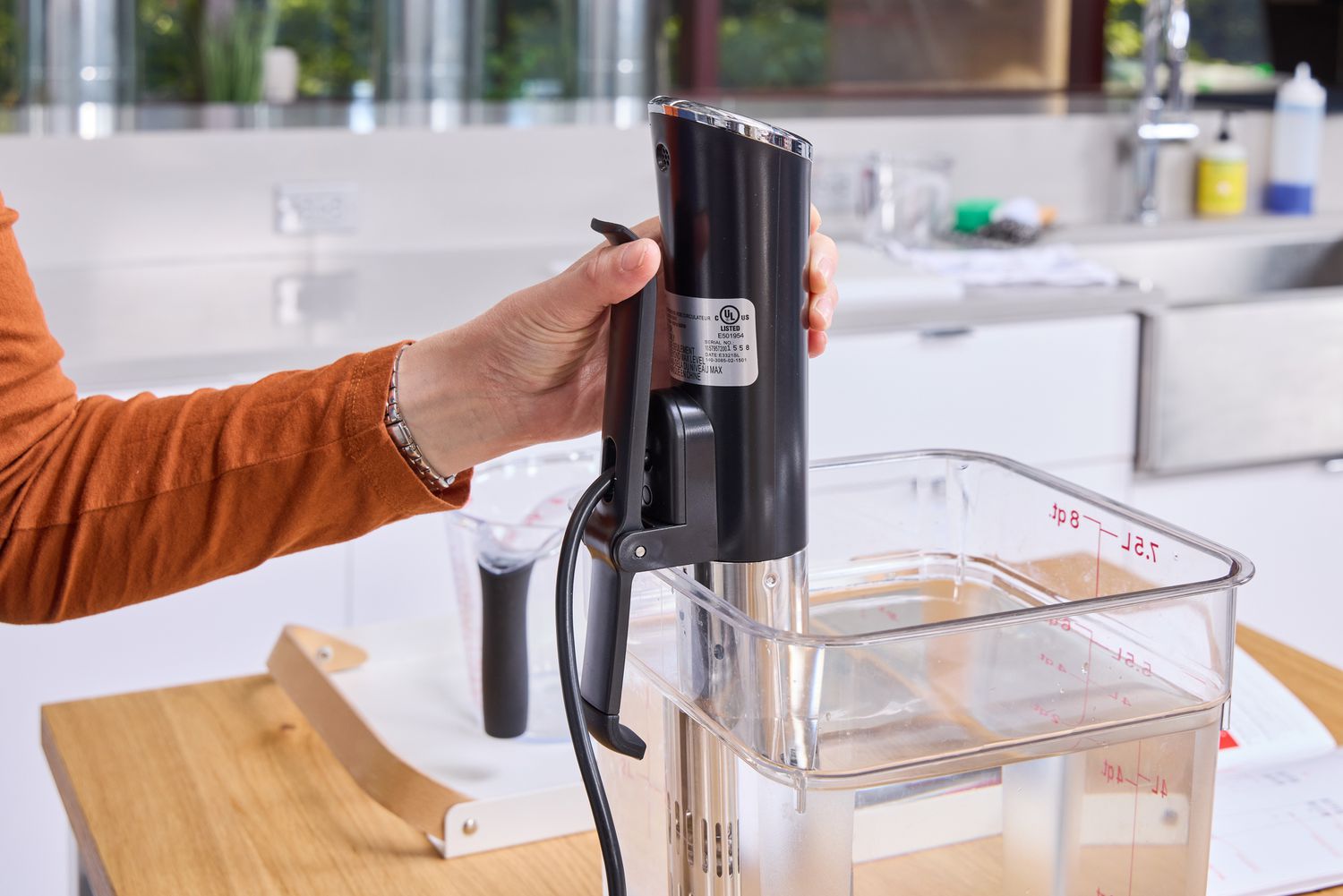
At the heart of the sous vide method is the immersion circulator, the device often referred to as a “sous vide cooker.” This compact gadget clips onto the side of almost any heat-safe container – a large stockpot, a dedicated sous vide container, or even a cooler. It precisely heats and circulates water, ensuring every part of your food experiences the exact temperature you’ve set. This level of accuracy is what truly sets sous vide apart. Unlike the general “low” or “high” settings of a slow cooker, a sous vide cooker allows you to dial in temperatures to within a single degree, offering an unprecedented command over your culinary outcomes. This precision guarantees that your chicken breast is always juicy, your eggs perfectly poached, and even delicate custards are set to perfection.
Slow Cooker vs. Sous Vide: Unpacking the Core Differences
While both methods rely on gentle, extended cooking, their approaches and outcomes differ significantly. Understanding these distinctions is key to choosing the right tool for your dish.
Temperature Control: The Game Changer
The most striking difference lies in temperature control. A slow cooker operates on generalized settings like “low” (around 170-200°F/76-93°C) and “high” (around 250-300°F/121-149°C), with some fluctuation. While effective for braising, this variability means food continues to cook and tenderize beyond a specific “doneness.” Sous vide, however, offers unparalleled precision. You set the exact desired final temperature for your food, and the immersion circulator maintains it, often to within a fraction of a degree. This means your steak, for instance, will never cook past medium-rare if that’s what you’ve chosen, leading to consistent results every single time.
Cooking Environment: Sealed vs. Open
Another major differentiator is the cooking environment. Food in a slow cooker is submerged in liquid (sauces, broths) within an open or loosely sealed pot. This allows for evaporation and flavor development through reduction. With sous vide, food is vacuum-sealed in a bag and submerged in a water bath. This sealed environment means no moisture or flavor escapes, leading to exceptionally juicy and flavorful results. It also means you can’t cook liquid-heavy dishes like soups directly in a sous vide bag, making the slow cooker the clear winner for such preparations.
Texture and Flavor: What to Expect
The differences in control and environment naturally lead to distinct textures and flavors. Slow cooking excels at creating dishes with a “fall-apart” texture, perfect for shredded meats and tender stews where ingredients meld together over time, developing rich, complex flavors. Sous vide, on the other hand, delivers incredible tenderness while maintaining the integrity of the food’s structure. Meats are uniformly cooked from edge to edge, retaining natural juices, and vegetables remain firm-tender and vibrant. “With sous vide, you’re not just cooking food; you’re orchestrating its transformation at a molecular level, ensuring peak flavor and texture,” notes Chef Julian Thorne, a culinary expert focused on modern cooking techniques.
Prep and Cleanup: A Practical Look
From a practical standpoint, both offer a hands-off experience once cooking begins. Slow cooking typically involves minimal prep – just toss ingredients into the pot. However, cleaning the ceramic insert can sometimes be a chore, especially after a sticky stew. Sous vide often requires a bit more upfront prep, mainly vacuum-sealing your food. Yet, cleanup is often a breeze; simply discard the bag, and occasionally wipe down your immersion circulator.
The Unique Advantages of Each Method
Both appliances hold a valuable place in the modern kitchen, each shining in different scenarios.
Why a Slow Cooker Shines
The slow cooker is king for comfort food. It’s your go-to for:
- Hearty Strews and Soups: Perfect for simmering liquids and melding flavors.
- Tougher Cuts of Meat: Chuck roast, pork shoulder, and short ribs become incredibly tender and shreddable.
- Big Batch Cooking: Ideal for feeding a crowd or meal prepping large portions of chili, pot roast, or pulled pork.
- Effortless Meal Prep: Dump ingredients, set, and come back to a fully cooked meal.
Where Sous Vide Excels
Sous vide is the choice for precision, consistency, and elevating everyday dishes. It’s superb for:
- Steaks, Poultry, and Seafood: Achieving perfect doneness and tenderness every time, no guesswork involved.
- Delicate Vegetables: Cooking them to a crisp-tender perfection that preserves their nutrients and vibrant color.
- Eggs: From perfectly jammy to firm, sous vide offers unmatched control over egg doneness.
- Desserts: Crème brûlée, cheesecakes, and custards can be cooked flawlessly without fear of curdling or overbaking.
- Meal Prep (Precision Style): Cook proteins ahead of time, chill, and sear later for quick, gourmet meals.
Can You Use Them Together? Blending the Best of Both Worlds
While they are distinct, the slow cooker and sous vide can absolutely complement each other in your kitchen! For instance, you could use sous vide to cook tough cuts like beef cheeks to an incredibly tender state and then transfer them to a slow cooker with a rich braising liquid to finish with deep, comforting flavors and a perfect sauce. Or, imagine cooking a pork shoulder sous vide for 24-36 hours until it’s unbelievably tender, then transferring it to a slow cooker with barbecue sauce to hold warm and infuse flavors for a party. The combination opens up new dimensions for culinary creativity, allowing you to harness the best attributes of both for truly exceptional results. This dual approach ensures your dishes are not only cooked to perfection but also imbued with the robust flavors often associated with long, slow braising.
Caring for Your Appliances: Cleaning and Maintenance Tips
Maintaining your slow cooker and sous vide equipment is essential for longevity and hygiene. For slow cookers, always unplug before cleaning. The ceramic insert is typically dishwasher-safe or can be washed by hand with warm, soapy water. For stubborn, stuck-on food, let it soak before scrubbing. The base unit usually just needs a wipe-down with a damp cloth. For sous vide immersion circulators, ensure it’s unplugged and cooled before cleaning. The metal skirt and heating coil often detach or can be wiped clean. For mineral buildup from hard water, a quick soak in a vinegar solution can work wonders. Remember to store both appliances in a dry place to prevent damage.
Frequently Asked Questions
Is a slow cooker similar to sous vide?
Both a slow cooker and sous vide cook food “low and slow,” meaning over an extended period at moderate temperatures. However, sous vide offers far greater precision in temperature control, cooking food in a sealed bag in a water bath, while a slow cooker uses direct heat in an open pot to braise food.
Can sous vide replace a slow cooker?
While a sous vide machine can cook food slowly, it’s not designed to fully replace a slow cooker. Sous vide excels at precise temperature cooking for consistent doneness and moisture, while a slow cooker is best for recipes requiring simmering in liquid, such as stews and shredded meats, where “fall-apart” texture is desired. Each has its unique strengths.
What are the best dishes for a slow cooker?
Slow cookers are perfect for soups, stews, chilis, pot roasts, pulled pork, and any tough cuts of meat that benefit from long, moist cooking to become tender and flavorful. They’re also great for large batch cooking and hands-off meal preparation.
What are the best dishes for sous vide?
Sous vide is ideal for achieving perfectly cooked steaks, chicken breasts, fish, pork chops, and other proteins with consistent doneness edge-to-edge. It’s also excellent for delicate vegetables, eggs, and even desserts like crème brûlée, where precise temperature control is crucial.
Which method is more energy efficient?
For shorter cooking times, sous vide can sometimes be more energy-efficient because it precisely maintains a target temperature without constantly reheating. However, for very long cooking times, the energy consumption can be comparable. Modern appliances for both methods are generally designed with efficiency in mind.
Do I need special equipment for sous vide?
Yes, for sous vide cooking, you’ll need an immersion circulator (the sous vide cooker itself), a container for your water bath (like a large stockpot or a dedicated sous vide container), and vacuum-sealable bags or high-quality zip-top bags to seal your food.
Is sous vide cooking safe?
Yes, sous vide cooking is very safe when proper food safety guidelines are followed, especially concerning temperature and time. The sealed environment and precise temperature control minimize the risk of bacterial growth, provided food is cooked at appropriate temperatures for sufficient durations and handled hygienically.
The Future of Your Home Cooking
Whether you gravitate towards the comforting embrace of a slow cooker or the precise artistry of sous vide, both methods offer incredible opportunities to elevate your culinary game. The slow cooker simplifies hearty, flavor-rich meals, transforming humble ingredients into family favorites. The sous vide, on the other hand, grants you a level of control that was once the exclusive domain of professional chefs, delivering perfectly cooked proteins and delicate dishes with remarkable consistency. By understanding the unique strengths of a slow cooker and sous vide, you can confidently choose the right technique for any dish, opening up a world of delicious possibilities in your kitchen. So go ahead, experiment, explore, and let these remarkable tools inspire your next culinary masterpiece.