Ever dreamed of cooking steakhouse-quality steaks in your own kitchen, perfectly tender and juicy every single time? With a Sous Vide Steak Cooker, that dream is not only achievable but remarkably simple. This innovative kitchen tool has revolutionized how home cooks approach meat, taking the guesswork out of achieving that coveted edge-to-edge doneness that used to be the exclusive domain of professional chefs. Forget overcooked exteriors and raw centers; the sous vide method ensures a consistent, delicious result that will impress even the most discerning palates.
What Exactly is Sous Vide, and How Did It Come About?
“Sous vide” (pronounced “soo-veed”) is a French term meaning “under vacuum.” At its core, it’s a cooking technique where food is sealed in a vacuum-safe bag and then cooked in a precisely temperature-controlled water bath. While it might sound like something out of a science lab, its origins trace back to the mid-1970s when French chefs like Georges Pralus began experimenting with it to improve the texture and yield of foie gras. Fast forward a few decades, and the technology has become compact, affordable, and incredibly user-friendly, making the sous vide steak cooker a staple for many culinary enthusiasts today.
The magic lies in the precision. Unlike traditional cooking methods where heat fluctuates and can easily overcook the exterior of your steak while the interior struggles to reach the desired temperature, a sous vide steak cooker maintains the water at an exact, unwavering temperature. This gentle, consistent heat allows the steak to cook evenly from edge to edge, ensuring perfect doneness throughout before a final sear locks in that incredible flavor and crust.
The Undeniable Advantages of a Sous Vide Steak Cooker
Once you experience the benefits of cooking steak with a sous vide cooker, you’ll wonder how you ever managed without one. The advantages extend far beyond just perfectly cooked meat:
- Unrivaled Consistency: This is perhaps the biggest draw. A sous vide steak cooker eliminates variables. Set it to 130°F (54°C) for medium-rare, and your steak will be medium-rare, from the first bite to the last, every single time. No more guessing, no more prodding with thermometers, just predictable perfection.
- Melt-in-Your-Mouth Texture: By cooking at lower, precise temperatures over a longer period, the sous vide method gently breaks down tough connective tissues in the meat, resulting in an incredibly tender texture. The steak cooks in its own juices, amplifying its natural flavors and ensuring unmatched succulence.
- Superior Moisture Retention: Traditional high-heat cooking can cause steak to lose up to 40% of its moisture, leading to dry, chewy results. With a sous vide steak cooker, moisture is locked into the vacuum-sealed bag, meaning your steak stays incredibly juicy and flavorful.
- Incredible Flexibility and Convenience: Life happens, and dinner plans can shift. A sous vide steak cooker offers unparalleled flexibility. Once your steak reaches its target temperature, it can hold there in the water bath for an extended period – sometimes hours – without overcooking. This “set-it-and-forget-it” convenience is a game-changer for entertaining or busy weeknights.
- Enhanced Food Safety: Cooking at precise temperatures for specific durations ensures harmful bacteria are eliminated safely, even at lower doneness levels, giving you peace of mind.
- Preserved Nutritional Value: The gentle, low-temperature cooking in a sealed environment helps retain essential nutrients like Vitamin B12, iron, and zinc, which can sometimes be diminished by higher heat methods.
Exploring Popular Types of Sous Vide Cookers for Steak
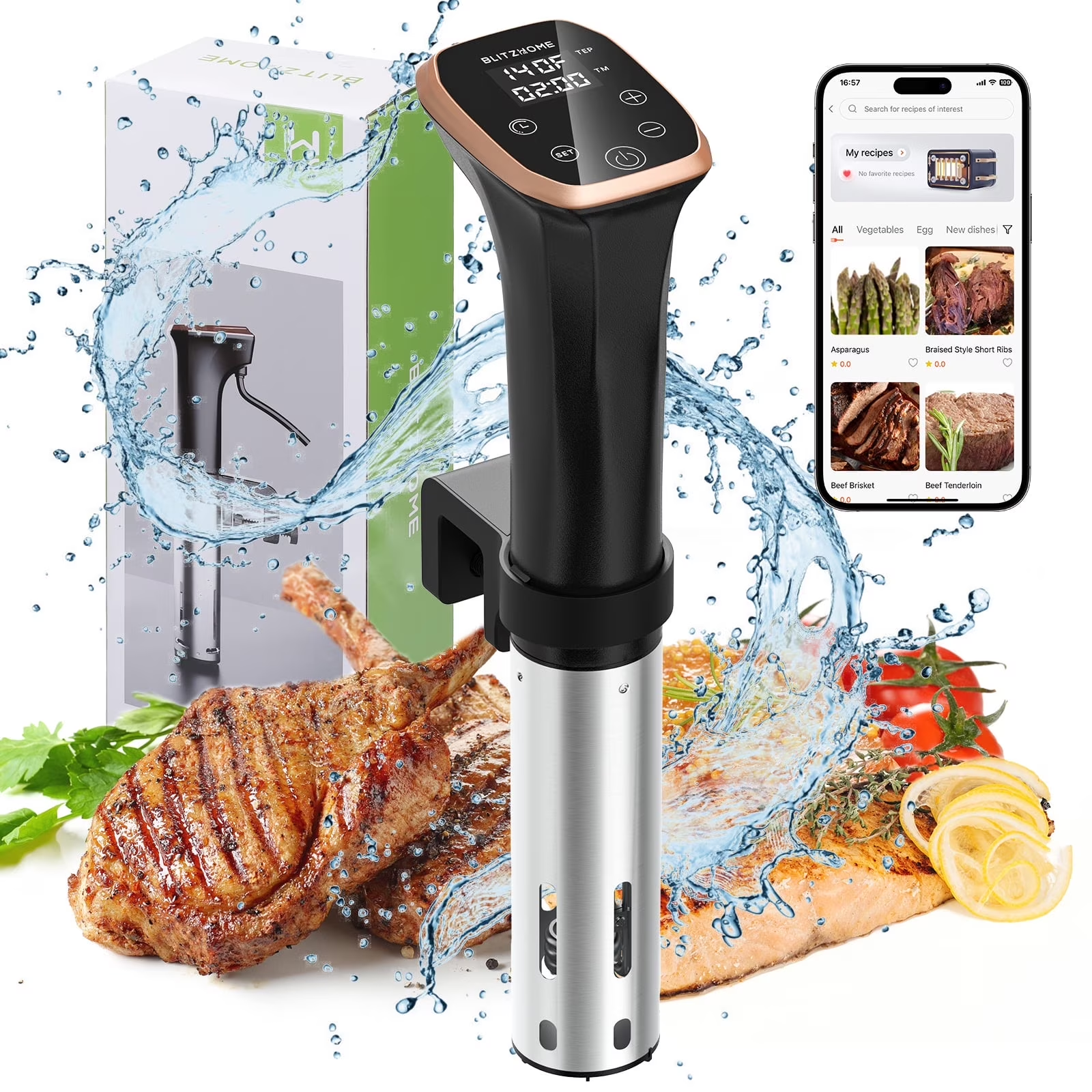
When it comes to choosing a sous vide steak cooker, you’ll primarily encounter immersion circulators. These “wand-style” devices are the most popular choice for home cooks due to their versatility and compact design.
Immersion circulators like the Anova Culinary Sous Vide Precision Cooker and the Breville Joule Turbo Sous Vide are prime examples. They clamp onto the side of almost any pot or container, heating and circulating the water to maintain a consistent temperature. This makes them space-efficient and easy to store. Many models offer smart features, connecting to apps via Bluetooth or Wi-Fi, allowing you to control and monitor your cook from your phone, and often providing access to a library of recipes and cooking guides. Some newer models, like the Breville Joule Turbo, even boast “turbo mode” features that significantly speed up the heating process for a quicker cook.
While some larger, all-in-one water ovens exist (like the older SousVide Supreme), immersion circulators are generally preferred for their practicality in a home kitchen. They are easier to fill and empty, more portable, and take up less valuable counter space.
Your Basic Guide to Using a Sous Vide Steak Cooker
Ready to dive in? Here’s a simple step-by-step guide to cooking a perfect steak with your sous vide steak cooker:
- Prepare Your Water Bath: Fill a large pot or a dedicated sous vide container with water. Attach your sous vide steak cooker to the side of the pot, ensuring the water level is between the minimum and maximum fill lines on the device.
- Set the Temperature: Turn on your sous vide cooker and set it to your desired temperature for steak doneness (see our guide below). For faster heating, you can start with hot tap water.
- Season and Seal Your Steak: While the water heats, pat your steak dry with paper towels and season generously with salt, pepper, and any other desired spices or herbs (rosemary and garlic cloves are popular additions to the bag). Place the seasoned steak in a high-quality, heat-safe, zipper-lock freezer bag or, ideally, a vacuum-sealable bag. Remove as much air as possible – a vacuum sealer is best, but the water displacement method (slowly submerging the bag in water to force air out before sealing) works well for zipper-lock bags.
- Cook in the Water Bath: Once the water reaches the set temperature, carefully submerge the sealed bag containing your steak into the water bath. Ensure the steak is fully submerged. Let it cook for the recommended time based on its thickness and desired doneness.
- The All-Important Sear: After the sous vide cooking time is complete, remove the steak from the bag. Pat it extremely dry with paper towels – this is crucial for a good sear. Heat a cast-iron skillet or heavy-bottomed pan over very high heat with a high smoke point oil (like avocado or canola oil). Alternatively, use a hot grill or a culinary torch. Sear the steak for 60-90 seconds per side, until a deep, golden-brown crust forms. You can add butter, garlic, and herbs to the pan during the last few seconds for extra flavor.
- Rest and Serve: Let your beautifully seared steak rest for a few minutes before slicing against the grain and serving.
Tips and Temperatures for Perfect Sous Vide Steak
Achieving your perfect steak doneness is all about controlling the temperature with your sous vide steak cooker. Here’s a general guide:
- Rare: 120-128°F (49-53°C) for 1-4 hours
- Medium-Rare: 129-134°F (54-57°C) for 1-4 hours
- Medium: 135-144°F (57-62°C) for 1-4 hours
- Medium-Well: 145-155°F (63-68°C) for 1-3.5 hours
Expert Insight: “The beauty of a sous vide steak cooker is its forgiveness,” says culinary expert Chef Isabella Rossi. “You can walk away and trust it, knowing your steak will be cooked precisely as you want it, giving you freedom to focus on other elements of your meal or simply relax.”
Key Tips for Success:
- Don’t Rush the Sear: The sear is where flavor and texture truly shine. High heat and a dry surface are your allies.
- Consider Thickness: Thicker steaks will generally require slightly longer cook times within the recommended range.
- Experiment with Herbs: Infuse flavors directly into the steak by adding herbs like rosemary, thyme, or crushed garlic cloves into the bag before sealing.
- Chill for Crispier Crusts (Optional): For an even better crust, especially with thicker cuts, quickly chill the cooked steak in an ice bath for a few minutes after removing it from the sous vide and before searing. This lowers the surface temperature, allowing for a longer sear without overcooking the interior.
Cleaning and Maintaining Your Sous Vide Steak Cooker
Maintaining your sous vide steak cooker is straightforward. After each use, allow the device to cool completely, then wipe down the heating coil and exterior with a damp cloth. For more thorough cleaning or if you notice mineral buildup from hard water, you can periodically run the circulator in a water bath with a descaling solution (like vinegar and water) according to the manufacturer’s instructions. Always ensure the device is unplugged before cleaning. Proper care will ensure your sous vide steak cooker continues to deliver perfect results for years to come.
Frequently Asked Questions About Sous Vide Steak Cookers
Q: Do I need a vacuum sealer for sous vide?
A: While a vacuum sealer provides the best seal and is recommended for frequent sous vide cooking, you can achieve excellent results using high-quality zipper-lock freezer bags with the water displacement method. This involves slowly submerging the open bag in water to push out the air before sealing it.
Q: Can I put frozen steak directly into a sous vide cooker?
A: Yes! One of the great conveniences of a sous vide steak cooker is its ability to cook food directly from frozen. Simply add an extra 30-60 minutes to your cooking time.
Q: How long is too long for steak in a sous vide?
A: While sous vide is forgiving, leaving steak in for excessive periods (e.g., beyond 4 hours for tender cuts at higher doneness temperatures) can begin to break down muscle fibers too much, resulting in a mushy texture rather than a firm, juicy one. For safety, avoid cooking below 130°F (54°C) for more than four hours.
Q: Does sous vide steak get a good crust?
A: Absolutely! The sous vide process ensures perfect internal doneness, and the final high-heat sear (reverse sear) creates an incredible, flavorful crust that is arguably superior to traditional methods because you’re not trying to cook the inside and sear the outside simultaneously.
Q: What kind of pot should I use with my immersion circulator?
A: Any large pot you’d typically use for boiling pasta will work. For longer cooks, consider an insulated container or covering your pot with plastic wrap or foil to minimize water evaporation.
Embrace the Sous Vide Revolution
The sous vide steak cooker is more than just a kitchen gadget; it’s a gateway to consistent, restaurant-quality meals right at home. It empowers you to take control of your cooking, eliminate stress, and consistently deliver perfectly tender, flavorful, and juicy steaks that will amaze your family and friends. If you’re passionate about great food and eager to elevate your culinary game, embracing the sous vide method is a journey well worth taking. So, fire up your immersion circulator, select your favorite cut, and prepare to discover a whole new world of steak perfection.